



Practical guides, downloadable resources, and simple explainers for cattle, crop, and pet care.
Search for topic or use filters to narrow the category.
 Article
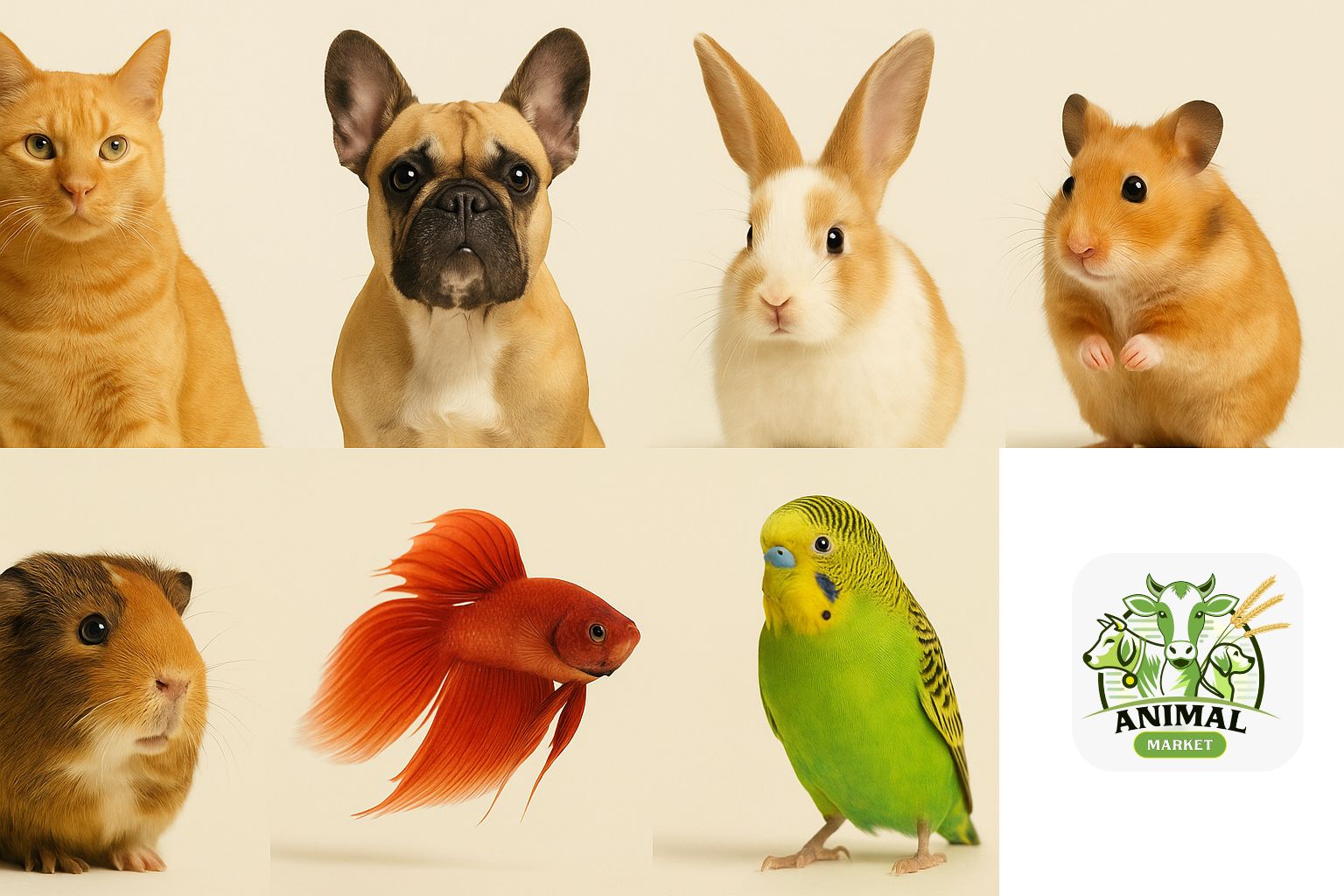
Living in an apartment doesn't mean you have to miss out on the joys of having a pet. Many small animals adapt well to smaller living spaces, offering companionship and love without requiring a backyard or large area to roam. If you’re thinking about adding a furry (or scaly or feathery) friend to your apartment, here’s a helpful guide to the best small pets for apartment living.1. CatsCats are one of the most popular pets for apartment dwellers. They are independent, clean, and don’t need outdoor space. Most cats are content lounging by the window, watching birds, and getting some affection when you're home.Pros: Low maintenance Litter-trained Quiet and calm Cons: Can be aloof May scratch furniture Tip: Provide a scratching post and vertical climbing space like a cat tree.2. Small Dog BreedsNot all dogs are suitable for apartments, but many small breeds adapt well to limited space—especially those that don’t bark excessively.Best Breeds for Apartments: French Bulldog Cavalier King Charles Spaniel Pug Dachshund Boston Terrier Pros: Loyal and affectionate Good with routines Cons: Require regular walks Some breeds prone to barking Tip: Daily exercise and mental stimulation are essential, even for small dogs.3. RabbitsRabbits are gentle, social, and can be litter-trained like cats. They love hopping around and cuddling once they feel secure.Pros: Quiet and affectionate Litter-trainable Great for indoor living Cons: Chew on furniture and wires Need regular grooming (especially long-haired breeds) Tip: Bunny-proof your apartment and provide plenty of chew toys.4. Hamsters and GerbilsThese pocket-sized pets are perfect for small spaces and are fun to watch as they burrow and run on wheels.Pros: Easy to care for Require little space Great for kids Cons: Nocturnal (active at night) Short lifespan (2–3 years) Tip: Choose a cage with plenty of tunnels and toys for stimulation.5. Guinea PigsGuinea pigs are social and make soft, squeaky sounds. They need more space than hamsters but are still apartment-friendly.Pros: Friendly and social Longer lifespan than hamsters (5–7 years) Cons: Need companionship (consider two) Require daily cleaning Tip: Provide fresh veggies and plenty of hay for a healthy diet.6. Fish (Freshwater or Betta)If you want a quiet, low-interaction pet, fish are ideal. Betta fish, in particular, are hardy and thrive in small tanks.Pros: Calming and beautiful to watch Minimal noise and mess Cons: Water needs regular cleaning Limited interaction Tip: Get a filter and heater to keep the tank clean and stable.7. Birds (Parakeets, Canaries, or Finches)Birds can be lively and entertaining pets. Smaller birds, like parakeets or finches, don’t need a lot of space but do enjoy daily interaction.Pros: Intelligent and trainable Chirpy and engaging Cons: Can be noisy Need time outside the cage for exercise Tip: Make sure your apartment allows birds and that neighbors are okay with chirping.8. Reptiles (Geckos, Bearded Dragons, Turtles)Reptiles are quiet, require little space, and can be fascinating to observe.Pros: Hypoallergenic Don’t need daily social interaction Cons: Need special lighting and heating Not cuddly Tip: Do thorough research on habitat and diet before bringing a reptile home.Final Tips for Apartment Pet Owners: Check Lease Rules: Always confirm pet policies with your landlord. Noise Consideration: Choose quiet pets if you have thin walls or noise-sensitive neighbors. Odor Management: Clean cages, tanks, and litter boxes regularly. Space Optimization: Use vertical space and compact enclosures to maximize your apartment’s layout. ConclusionWhether you're looking for a snuggly companion or a quiet observer, there’s a small pet out there perfect for your apartment lifestyle. Just make sure to match the pet’s needs with your daily routine, available space, and budget to create a happy home for both of you.
 Article
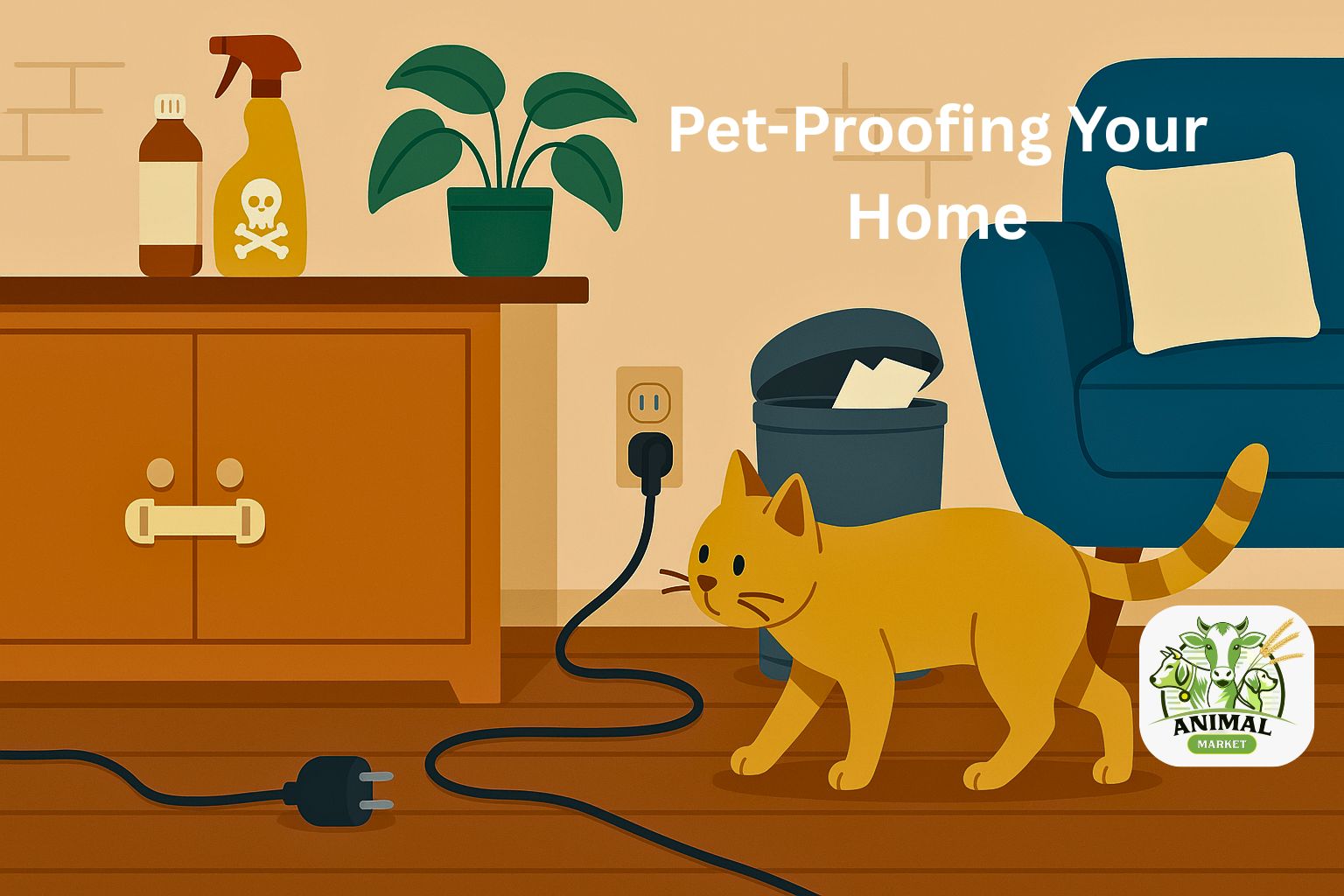
Pet-Proofing Your Home: Safety Tips for New OwnersBringing a new pet into your home is an exciting and heart-warming experience. Whether you're adopting a curious kitten, an energetic puppy, or an older rescue animal, your home should be a safe and welcoming environment. Just like baby-proofing a house for a toddler, pet-proofing ensures that your furry friend stays safe, happy, and healthy.Here are some essential safety tips for new pet owners to help you pet-proof your home effectively.1. Secure Hazardous ChemicalsPets are naturally curious and may sniff or chew anything within reach. Keep all cleaning products, pesticides, medications, and other chemicals in locked cabinets or high shelves. Even items like antifreeze or laundry detergent pods can be extremely toxic.Tip: Use childproof locks for cabinets and label all bottles clearly.2. Hide Electrical CordsChewing on electrical cords is a common hazard, especially for puppies and kittens. This can result in serious injury or fire.Solutions: Use cord covers or PVC tubing. Tape cords along walls or behind furniture. Unplug devices when not in use. 3. Remove Poisonous PlantsSome common houseplants, like lilies, philodendrons, and pathos, are toxic to pets if ingested. Research each plant in your home and replace harmful ones with pet-safe alternatives like spider plants or bamboo palms.4. Keep Small Objects Out of ReachItems such as rubber bands, hair ties, jewellery, batteries, and children's toys can be choking hazards. Make a habit of picking up anything small from the floor or low surfaces.5. Secure Trash and FoodThe smell of garbage or human food can be irresistible to pets. However, ingesting spoiled food, bones, or certain ingredients (like chocolate or xylitol) can be dangerous.How to secure: Use a lidded or pet-proof trash can. Store pantry items in sealed containers. Never leave food unattended on counters. 6. Protect Your Furniture and BelongingsTo discourage scratching, chewing, or accidents: Provide plenty of toys and scratching posts. Use deterrent sprays on furniture. Cover furniture with washable throws during the early adjustment period. 7. Check for Escape RoutesBefore bringing your pet home, inspect all windows, doors, and screens. Fix any holes in fencing or loose screens that could allow your pet to escape.Bonus Tip: Microchip and tag your pet with your contact information as a backup.8. Designate a Pet-Safe ZoneCreate a quiet, comfortable area where your pet can relax and feel secure. Use baby gates to restrict access to rooms until your pet is fully trained.9. Mind the Toilet, Washer, and DryerCats especially may explore tight spaces or try to drink from the toilet bowl. Always keep toilet lids closed and check appliances before use.10. Be Aware of Temperature and VentilationMake sure your pet’s sleeping area is not too hot or cold, and that there's good airflow. Never leave pets in closed spaces like cars, garages, or unventilated rooms.Final ThoughtsPet-proofing isn’t a one-time task—it’s an ongoing effort. As your pet grows and their behaviour changes, continue adjusting your home to suit their needs. Taking the time to make your environment safe will help your new companion feel at home and thrive in their new surroundings.Your pet relies on you. A safe home is the first step to a happy life together.
 Article
In today’s fast-paced, high-stress world, many people are seeking natural and supportive ways to improve their mental well-being. One of the most powerful yet often underestimated sources of emotional support is a pet. From wagging tails to soothing purrs, pets offer companionship, love, and countless mental health benefits. Let’s explore how pets help improve mental health and why they make such great therapeutic partners.1. Reducing Stress and AnxietyPets have a calming presence. Simply petting a dog or cat can lower cortisol levels (a stress hormone) and boost serotonin and dopamine—neurochemicals that promote relaxation and happiness. Studies show that interacting with pets can reduce heart rate and blood pressure, making them natural stress relievers.2. Combating LonelinessWhether you live alone or feel isolated, having a pet provides consistent companionship. Pets are always there to greet you, listen without judgment, and offer affection. For elderly individuals or those living far from family, pets can be a lifeline for emotional connection.3. Encouraging Routine and ResponsibilityCaring for a pet brings structure to your day. Feeding, walking, and grooming them creates a sense of purpose and responsibility, which can be especially helpful for people struggling with depression or lack of motivation. These daily tasks can provide small but significant wins that help boost self-esteem.4. Improving Physical HealthPhysical activity and fresh air contribute to better mental health. Dogs, for example, need regular walks, which encourages their owners to get outside and exercise—both great for mental well-being. Even gentle play or grooming with a pet can help improve mobility and reduce sedentary behavior.5. Building Social ConnectionsPets often act as social bridges. Dog owners, in particular, find it easier to meet people while out on walks or at pet-related events. This can lead to increased social interaction and reduced feelings of social anxiety or shyness.6. Providing Emotional SupportPets are emotionally intuitive. They can often sense when you’re feeling down and will offer cuddles, sit by your side, or act in comforting ways. Emotional support animals (ESAs), in particular, are trained to help individuals with anxiety, PTSD, and other mental health conditions.7. Helping with Trauma and PTSDFor those who’ve experienced trauma, pets can offer a sense of safety and grounding. Therapy animals are frequently used in treatment programs for veterans, abuse survivors, and children in foster care. Their presence can help reduce flashbacks, panic attacks, and nightmares.8. Boosting Self-Esteem and ConfidenceSuccessfully caring for a pet builds a sense of accomplishment. It reminds individuals that they are capable of love and nurturing. This can help restore confidence and improve self-image, especially for people struggling with feelings of worthlessness.Final ThoughtsWhile pets aren't a substitute for professional mental health care, they can be a powerful part of a healing plan. The unconditional love, joy, and companionship they provide can uplift spirits, reduce symptoms of anxiety and depression, and promote overall mental wellness.If you're considering getting a pet for mental health benefits, it’s important to choose one that suits your lifestyle and abilities. Whether it’s a dog, cat, rabbit, or even a fish, the right pet can make a big difference in your life.
 Article
Clicker training is a popular and effective method of teaching animals — especially dogs — new behaviors using positive reinforcement. It's simple, fun, and strengthens the bond between you and your pet. Whether you're working with a puppy, an older dog, or even a cat, clicker training can help create a clear line of communication.What is Clicker Training?Clicker training uses a small handheld device called a clicker that makes a distinct "click" sound when pressed. The click marks the exact moment your pet does something correctly, followed immediately by a reward (usually a treat). Over time, your pet associates the click with doing something right and getting rewarded.Why Use a Clicker?The sound of a click is consistent, precise, and faster than your voice. This helps your pet understand exactly what action earned the reward.Getting Started1. Get a ClickerYou can find clickers at most pet stores or online. Choose one that's easy to use and comfortable to hold.2. Charge the ClickerBefore you start training, you need to build a connection between the click sound and a reward. This is called charging the clicker. Click the device. Immediately give your pet a treat. Repeat 10–15 times in a row. Your pet will begin to understand that a "click" means a treat is coming. 3. Start SimpleBegin with basic behaviors like: Sit Touch your hand Eye contact Example: Teaching "Sit" Wait for your dog to sit on their own. The moment their bottom hits the ground — click! Immediately give a treat. Repeat several times. Once your dog understands that sitting earns a click and a treat, you can add the verbal cue “sit” just before they do the action.4. Keep Sessions ShortLimit training sessions to 5–10 minutes to avoid overwhelming your pet. Always end on a positive note.5. Be Consistent Always click at the exact moment of the desired behavior. Always follow the click with a treat — even if you clicked by mistake. Tips for Success Use small, high-value treats your pet loves. Train in a quiet, distraction-free environment at first. Practice regularly — a few minutes a day goes a long way. Stay patient and upbeat. Training should be fun for both of you! Common Mistakes to Avoid Clicking too late or too early. Using the clicker to get attention (it’s a marker, not a command). Fading out the treats too quickly. When to Add ChallengesOnce your pet reliably responds, you can: Add verbal cues. Practice in new environments. Increase difficulty gradually (e.g., duration, distance, distractions). Final ThoughtsClicker training is a powerful tool rooted in science and kindness. With consistency and patience, you’ll be amazed at how quickly your pet learns. Whether you're teaching tricks, obedience, or just good manners, clicker training creates a happy, willing learner — and a confident, connected trainer.
 Article
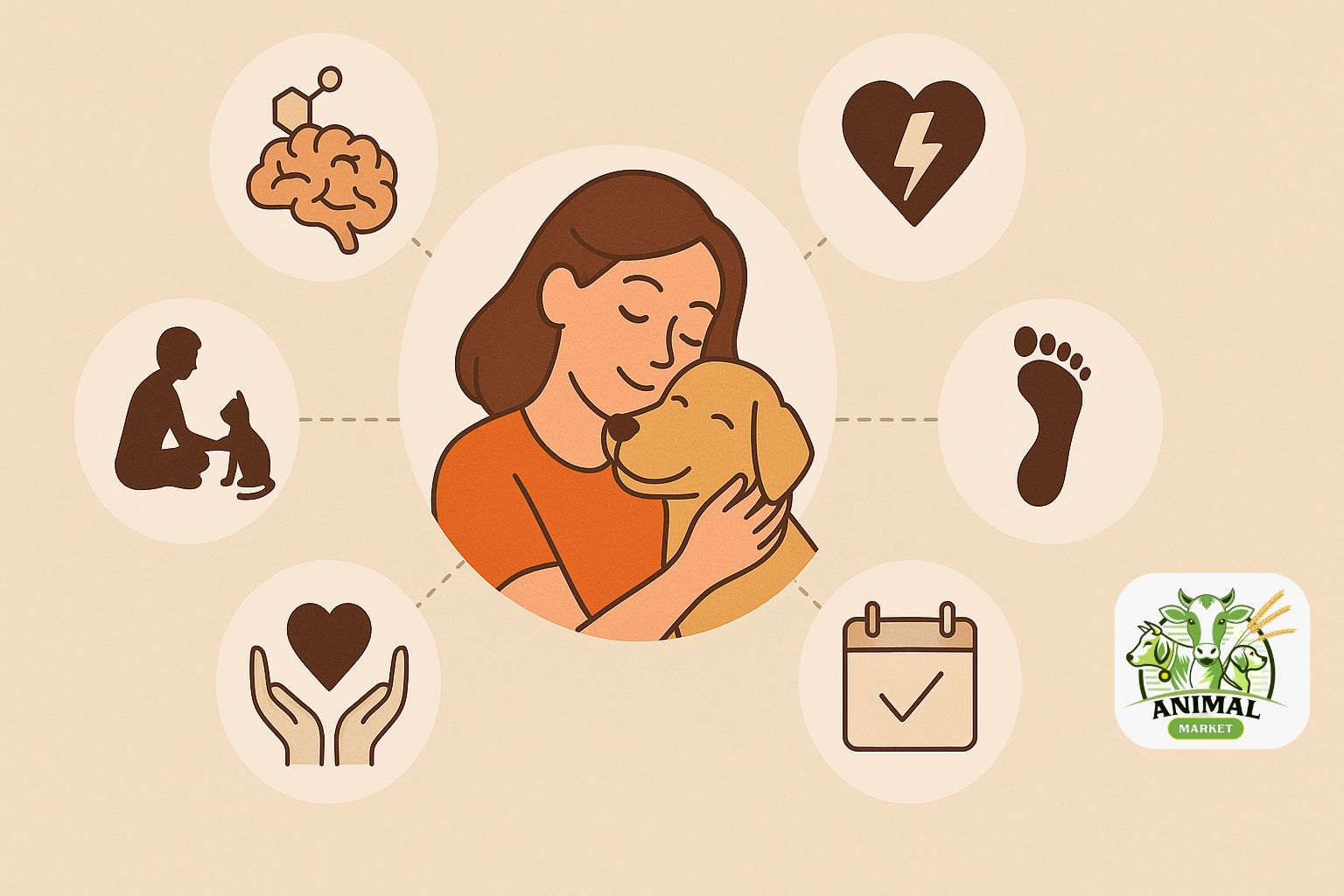
Pets are more than just furry companions — they’re powerful mood boosters and emotional healers. Whether you're a dog lover, cat person, or reptile enthusiast, spending time with a pet can significantly enhance your mental and emotional well-being. But what exactly is happening in our brains and bodies when we interact with animals? Let’s explore the science behind why pets make us happier.1. Oxytocin: The “Love Hormone” BoostWhen you cuddle your pet, gaze into their eyes, or even just think lovingly about them, your brain releases oxytocin — a hormone associated with bonding and affection. Oxytocin helps reduce stress, lower blood pressure, and create feelings of trust and happiness. Studies show that both humans and dogs experience increased oxytocin levels when interacting with each other, strengthening the human-animal bond.2. Reduction in Stress and AnxietyNumerous studies confirm that interacting with pets can lower levels of cortisol, the body’s main stress hormone. Petting a dog or cat for just 10 minutes has been shown to significantly reduce anxiety and increase calmness. In therapy settings, animals are used to support people with PTSD, autism, and depression because of their calming presence.3. Increased Physical ActivityOwning a pet, especially a dog, often means more time spent outdoors walking or playing. This physical activity increases endorphin production — chemicals in the brain that act as natural mood lifters. Even gentle movement, like playing with a cat or cleaning a fish tank, can be beneficial to both physical and mental health.4. Social Connection and Reduced LonelinessPets can help ease loneliness by offering companionship and unconditional love. Dog owners, in particular, often find themselves connecting with others during walks or at dog parks. According to a 2020 study published in BMC Public Health, pet owners reported stronger feelings of belonging and less loneliness during COVID-19 lockdowns than non-pet owners.5. Sense of Purpose and RoutineCaring for a pet creates a daily structure, which is especially helpful for people experiencing depression or anxiety. Feeding, grooming, and walking pets instills a sense of responsibility and purpose, helping individuals stay grounded and motivated. This regular routine has been linked to improved mood and life satisfaction.6. Therapeutic and Emotional SupportAnimals are increasingly recognized in therapeutic settings. Emotional Support Animals (ESAs) and therapy animals help individuals cope with various mental health challenges. They are known to ease emotional distress, reduce panic attacks, and even help regulate breathing and heart rate during stressful moments.7. Unconditional Love and AcceptancePerhaps one of the most powerful aspects of having a pet is the sense of unconditional love they provide. Pets don't judge, criticize, or hold grudges. This emotional safety fosters an environment where people can feel seen, accepted, and loved — a vital part of emotional well-being.Final ThoughtsThe joy of having a pet is backed by science. From hormonal changes to behavioral benefits, our animal companions enrich our lives in countless ways. Whether it’s a wagging tail at the door or a gentle purr on your lap, pets have a profound and measurable impact on our happiness and health.So the next time you’re cuddling your furry (or scaly) friend, know that your brain — and heart — are thanking you for it.
 Article
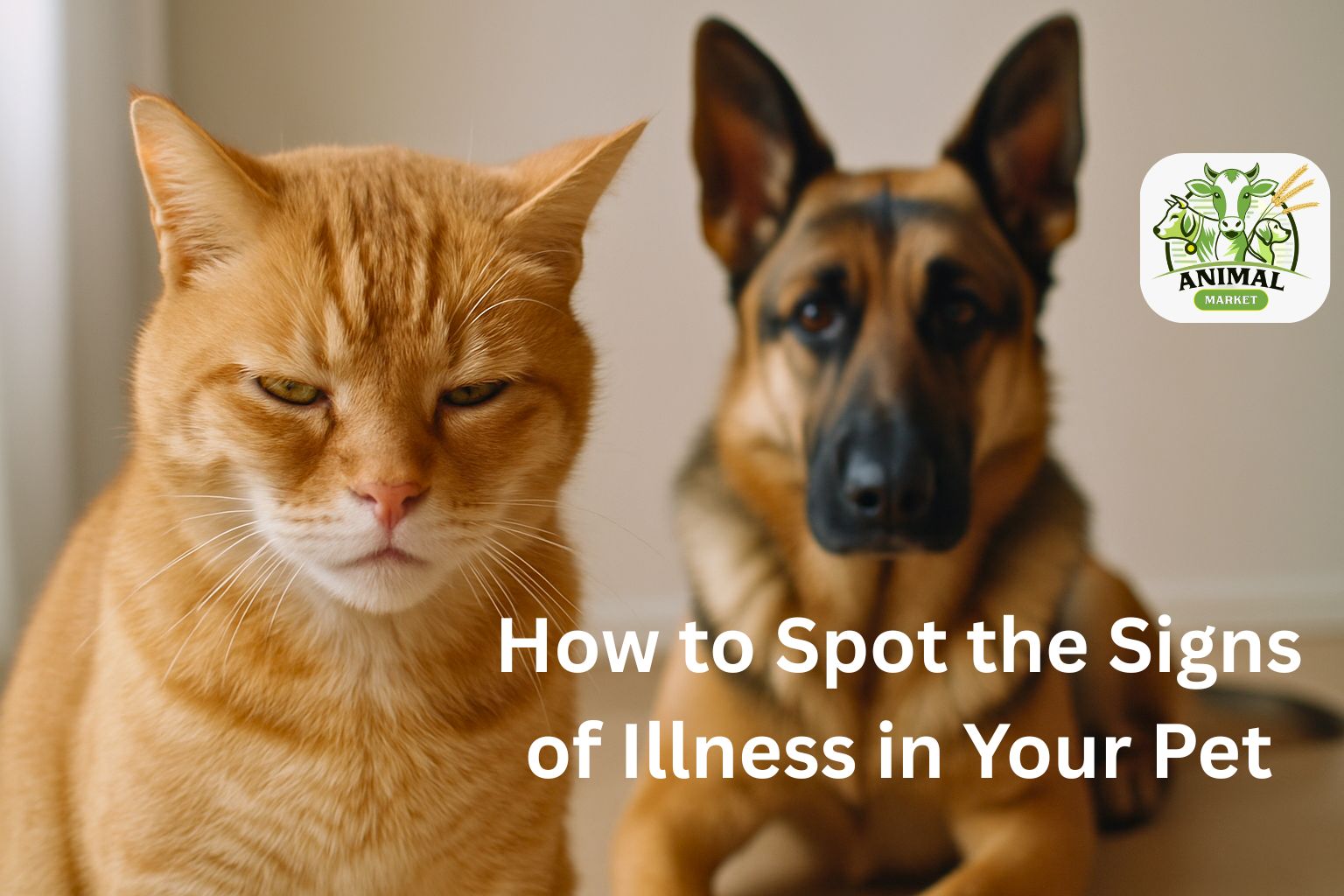
Pets can’t tell us when they’re feeling unwell, so it’s up to us as responsible pet owners to recognize the subtle (and sometimes not-so-subtle) signs that something might be wrong. Detecting early signs of illness can mean the difference between a quick recovery and a serious health issue. Here’s how to spot the signs of illness in your pet and what to do about it.1. Changes in Eating or Drinking HabitsOne of the earliest signs that something may be wrong is a change in your pet’s appetite or water consumption. Watch for: Loss of appetite or refusal to eat Increased or decreased thirst Difficulty chewing or swallowing Sudden weight gain or loss 2. Lethargy or Decreased ActivityA usually energetic dog or playful cat that suddenly becomes lethargic may be signaling a health problem. Symptoms include: Excessive sleeping Lack of interest in walks or play Difficulty getting up or moving 3. Vomiting or DiarrheaWhile occasional stomach upset can happen, frequent vomiting or diarrhea can indicate: Infections Parasites Dietary issues Serious internal conditions Persistent symptoms should prompt an immediate vet visit.4. Changes in Urination or DefecationPay attention to how often and how easily your pet eliminates. Watch for: Straining or pain during urination Accidents in the house Blood in urine or stool Constipation These could be signs of urinary tract infections, kidney problems, or digestive issues.5. Coughing, Sneezing, or Breathing IssuesJust like humans, pets can get respiratory infections. Signs include: Frequent coughing or sneezing Wheezing or labored breathing Nasal discharge Chronic or worsening symptoms need veterinary evaluation.6. Changes in Coat or Skin ConditionA healthy coat is a sign of a healthy pet. Look for: Excessive shedding or bald patches Red, flaky, or irritated skin Persistent scratching, licking, or biting Lumps or bumps under the skin These can point to allergies, parasites, infections, or even tumors.7. Behavioral ChangesSudden changes in your pet’s behavior can be a red flag. Examples include: Aggression or irritability Hiding or avoiding people Anxiety or restlessness Unusual vocalization These may stem from pain, discomfort, or neurological issues.8. Bad Breath or Dental IssuesDental disease is common in pets but often goes unnoticed. Be alert for: Foul-smelling breath Drooling Swollen gums Loose or missing teeth Routine dental care and checkups are crucial.What to Do If You Notice These Signs Keep a Record: Document symptoms, frequency, and duration. Contact Your Vet: Early diagnosis and treatment can prevent complications. Don’t Self-Medicate: Human medications can be toxic to animals. Regular Checkups: Even if your pet seems healthy, routine vet visits help catch silent problems early. Final ThoughtsBeing attentive and proactive about your pet’s health can extend their life and improve their quality of life. If you notice anything unusual, trust your instincts and consult your veterinarian. Your pet relies on you to be their voice.
 Article
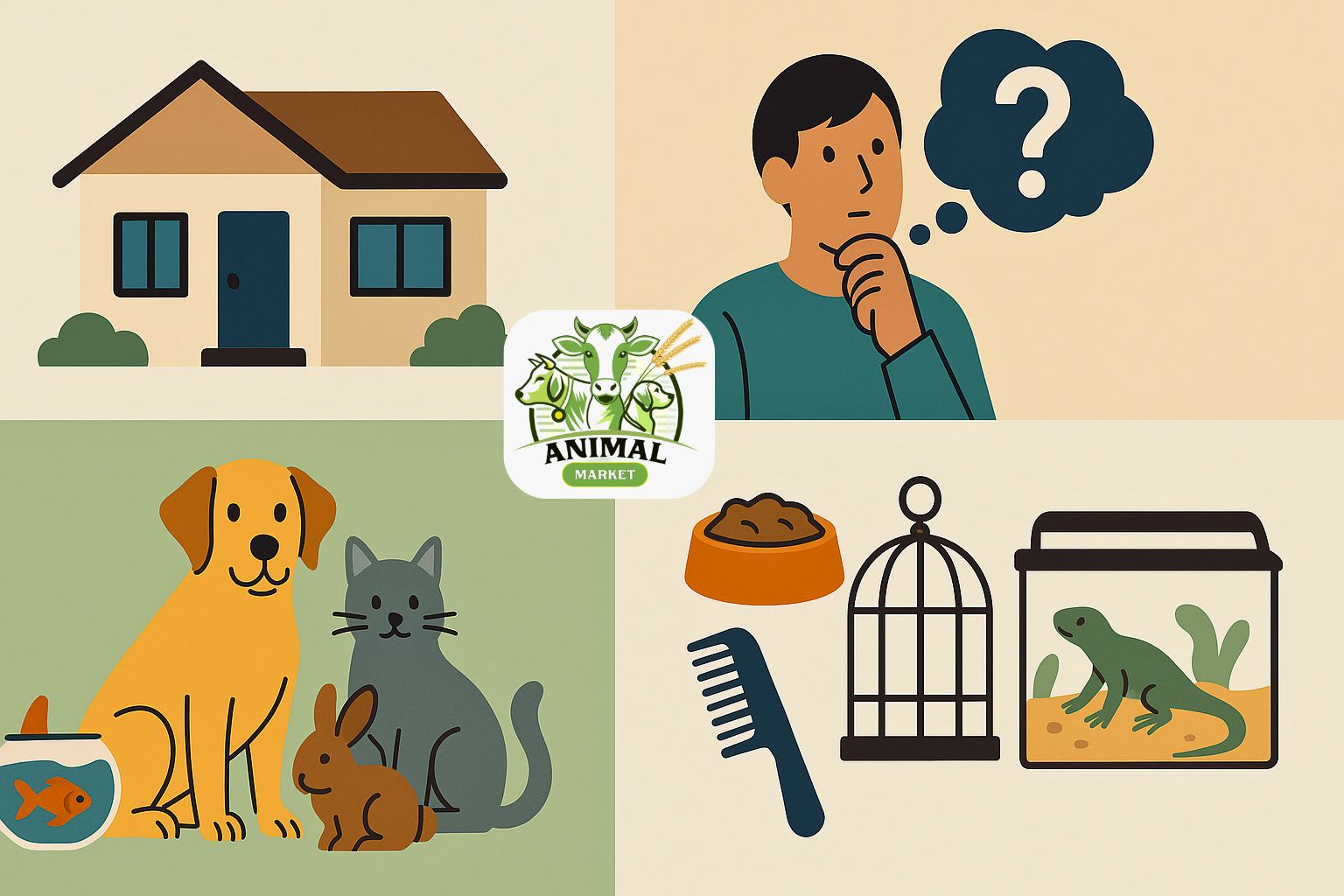
Choosing a pet is a big commitment that can bring joy, companionship, and responsibility. The key to a successful pet-owner relationship is choosing an animal that suits your personality, schedule, and living situation. Here’s a complete guide to help you make the best decision.1. Assess Your LifestyleLiving Space If you live in an apartment or small home, go for pets that don't need much space to roam. Good choices include cats, small dogs, fish, hamsters, or birds. If you have a house with a yard, you can consider larger pets such as medium or large dog breeds, outdoor rabbits, or even livestock (if you're in a rural area). 🕒 Time Commitment If you’re busy or travel frequently, low-maintenance pets like fish, reptiles, or cats might be ideal. If you work from home or have flexible hours, you can manage pets that require more attention, like dogs or birds. Budget Pets like fish, hamsters, or guinea pigs tend to be more budget-friendly. Larger or more complex animals like dogs, parrots, or exotic pets can incur higher costs for food, grooming, vet care, and accessories. 2. Consider Your Personality and Energy Level If you’re active and enjoy outdoor activities, choose a high-energy dog breed like a Labrador or Border Collie that can keep up with you. If you prefer a more peaceful, laid-back environment, pets like cats, rabbits, or calm dog breeds (like Basset Hounds or Bulldogs) may suit you. If you’re nurturing and patient, consider raising a puppy, adopting a rescue animal, or caring for a parrot that needs training and bonding. If you’re independent or introverted, cats, reptiles, or fish may be a good match, since they require less constant interaction. 3. Think About Household MembersWith ChildrenChoose gentle, patient pets that are good with kids. Breeds like Golden Retrievers and Labradors, or small animals like guinea pigs and budgies, are often great choices.For SeniorsPets that are low-maintenance and affectionate — like small lap dogs or calm cats — are usually the best fit.With Other PetsIntroduce new pets gradually and ensure they’re compatible. For example, don’t mix small prey animals with predatory pets.4. Understand Maintenance LevelsSome pets require more daily care than others. For example: Fish need regular feeding and occasional tank cleaning but are otherwise low effort. Cats need feeding, litter box cleaning, and occasional grooming. Dogs require regular walking, grooming, training, and attention. Birds and reptiles need specialized care like cage or habitat cleaning and temperature control. Rabbits need space to roam and a clean, safe environment. 5. Do Your ResearchBefore committing, take the time to understand the breed or species: Learn about their typical lifespan. For instance, parrots and turtles can live for decades. Be aware of any common health problems and vet care needs. Check local laws and regulations, especially for exotic pets, as some animals are restricted in certain areas. 6. Adopt, Don’t Shop (If Possible)Animal shelters and rescue centers are full of wonderful pets waiting for loving homes. Adoption: Helps reduce the number of animals in shelters Often includes basic veterinary care like vaccinations and spaying/neutering Gives you a chance to adopt a pet with a known temperament and history Final ChecklistBefore you bring a pet home, ask yourself: Do I have enough time for daily care and bonding? Can I afford the ongoing expenses of pet ownership? Am I ready for the long-term commitment this pet requires? Is my home environment suitable for the animal I’m considering? Are all family or household members ready and supportive? Final ThoughtsThe best pet isn’t necessarily the cutest or most popular — it’s the one that fits your life. By honestly evaluating your time, budget, energy, and space, you’ll be able to make a thoughtful decision that benefits both you and your future pet. A well-matched pet brings joy, companionship, and a deeper connection to everyday life.
 Article
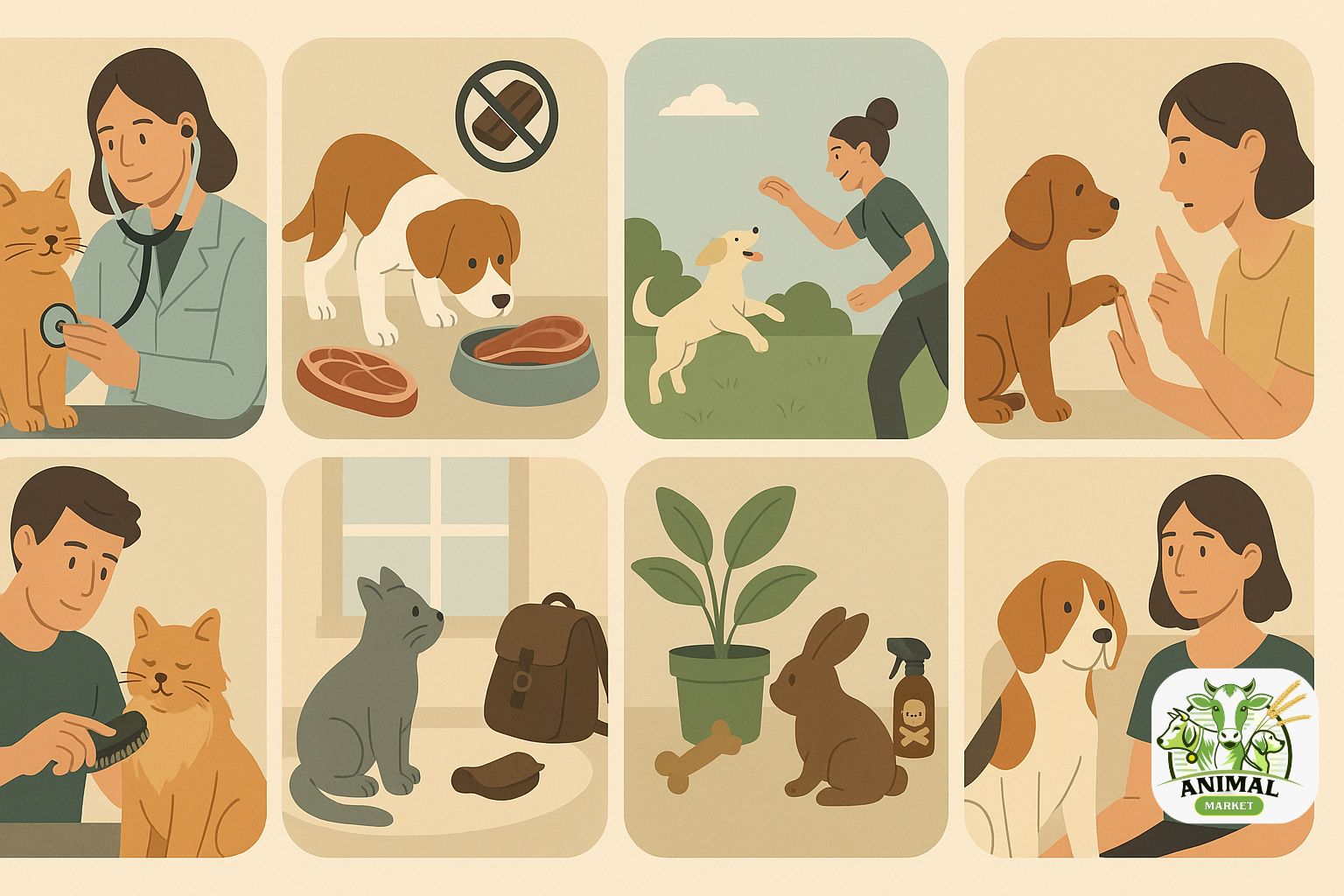
Owning a pet is a joyful and rewarding experience, but it also comes with responsibilities. Many pet owners, especially first-timers, unknowingly make mistakes that can negatively impact their pets’ health and well-being. Understanding these common pitfalls can help ensure a happier, healthier life for your furry, feathered, or scaled companions. Here's a list of frequent pet care mistakes—and how to avoid them.1. Skipping Regular Vet VisitsThe Mistake:Many pet owners only take their pets to the vet when they appear sick.Why It’s a Problem:Preventative care is essential for early detection of health issues and maintaining overall wellness.How to Avoid It:Schedule annual or bi-annual vet check-ups, stay up to date on vaccinations, and follow your vet’s advice for dental care, parasite prevention, and nutrition.2. Improper NutritionThe Mistake:Feeding pets low-quality food or table scraps without understanding their dietary needs.Why It’s a Problem:Poor diet can lead to obesity, allergies, digestive issues, or nutritional deficiencies.How to Avoid It:Research breed-specific dietary needs or consult your vet for recommendations on quality pet food. Avoid processed human foods, especially toxic ones like chocolate, onions, or grapes.3. Lack of ExerciseThe Mistake:Assuming pets, especially indoor ones, don’t need much physical activity.Why It’s a Problem:Exercise is crucial for maintaining a healthy weight and mental stimulation. Without it, pets can become obese, anxious, or destructive.How to Avoid It:Engage your pet in daily play and walks. Provide toys and stimulation, especially for active breeds like border collies or Siamese cats.4. Poor Training and SocializationThe Mistake:Failing to properly train or socialize pets during their formative months.Why It’s a Problem:This can lead to behavioral issues, aggression, or fearfulness.How to Avoid It:Start basic obedience training early and expose pets to different environments, people, and other animals in a controlled, positive way.5. Ignoring Grooming NeedsThe Mistake:Assuming that pets groom themselves adequately.Why It’s a Problem:Neglecting grooming can lead to matted fur, skin infections, overgrown nails, and dental disease.How to Avoid It:Brush your pet regularly, bathe them as needed, keep nails trimmed, and clean their ears and teeth. Some breeds may require professional grooming.6. Leaving Pets Alone Too LongThe Mistake:Leaving pets alone for extended periods without mental or physical stimulation.Why It’s a Problem:Loneliness and boredom can lead to depression, anxiety, or destructive behaviors.How to Avoid It:Ensure your pet has companionship, toys, and interaction. Consider a pet sitter, dog walker, or even pet daycare if you’re gone for long hours.7. Not Pet-Proofing the HomeThe Mistake:Failing to remove hazards from the home environment.Why It’s a Problem:Pets can chew on wires, swallow toxic plants, or access harmful substances like cleaning products.How to Avoid It:Pet-proof your home by securing dangerous items, using childproof locks, and keeping harmful plants or substances out of reach.8. Choosing the Wrong Pet for Your LifestyleThe Mistake:Getting a pet that doesn’t match your living space, activity level, or time commitment.Why It’s a Problem:This often leads to neglect, behavioral problems, or even rehoming the pet.How to Avoid It:Research breeds or species before adopting. Consider energy levels, space requirements, and grooming needs to find a good fit.ConclusionBeing a responsible pet owner means staying informed and attentive. Avoiding these common mistakes can significantly improve your pet’s quality of life and strengthen the bond you share. Remember, pets depend on us not just for food and shelter, but for love, attention, and proper care.
 Article
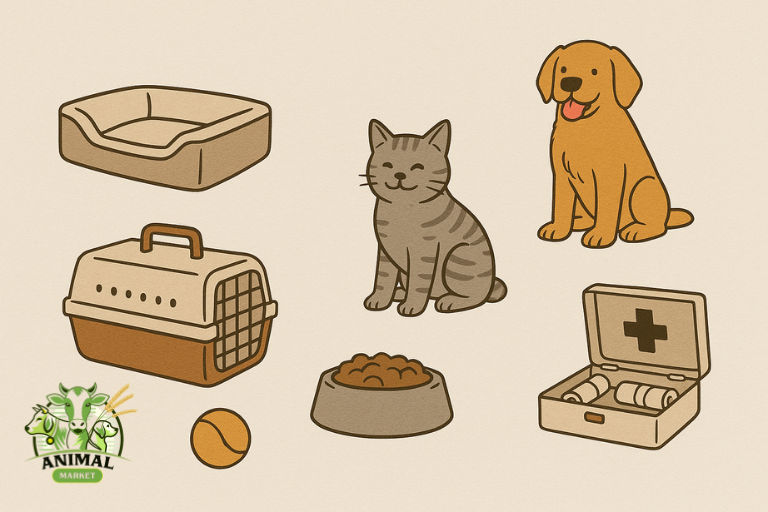
How to Take Care of Pets at Home – A Simple Guide for Pet Owners1. Give Your Pet a Safe and Comfortable Home Make a cozy space: Every pet needs a spot where they feel safe, like a soft bed, clean cage, or tank. Keep harmful things away: Lock away cleaning items, sharp tools, or anything they could chew or swallow. Keep the area clean: Wash their bedding or cage regularly to keep it free from germs. 2. Feed Healthy Food and Fresh Water Right food: Give pet food that is made especially for your animal. Avoid feeding them human snacks, which may be harmful. Fresh water: Always keep clean drinking water available and change it every day. Avoid overfeeding: Too much food can lead to weight and health problems. 3. Keep Your Pet Clean Bathing: Give your pet a bath when needed using the right pet shampoo. Brushing: Brush their fur regularly to keep their coat shiny and reduce loose hair. Nail care: Trim their nails to prevent pain or injury. If unsure, ask a vet or groomer. Daily cleaning: Clean litter boxes, cages, or feeding bowls daily. 4. Take Your Pet to the Vet Regular check-ups: Visit the vet once or twice a year to make sure your pet is healthy. Vaccinations: Protect your pet from diseases by giving them the necessary vaccines. Parasite control: Use deworming and anti-tick or flea medicines regularly. 5. Keep Them Active and Happy Play time: Use toys or games to keep your pet active and entertained. Walks and exercise: Dogs, especially, need regular walks for physical and mental health. Interaction: Spend time talking to or cuddling your pet. It builds trust and happiness. 6. Watch for Changes in Behavior Unusual actions: If your pet suddenly eats less, sleeps more, or behaves oddly, it may be a sign of illness. Get help quickly: Consult your vet if you notice anything unusual. 7. Be Ready for Emergencies First aid kit: Keep a small first-aid kit ready for your pet. Vet’s contact: Save your vet’s phone number so you can reach them quickly in case of emergency. Final Tip: Give Love and TimeYour pet needs your time, love, and care every day. They become part of your family and return your love in many ways. Take care of them with kindness, and they’ll live a healthy and happy life with you.
 Article
How to Start a Career in Farming – A Full 12-Month Practical Roadmap (Without Land or Experience)Scenario You are a beginner, possibly with no land or background in agriculture, but have a serious interest in building a career in farming with a realistic budget of ₹2.5 to ₹5 lakhs. You want sustainable monthly income and long-term growth through vegetable and dairy farming. STAGE 1: PLANNING AND FOUNDATION (Weeks 1 to 4) Key Actions: Learn Basics of Agriculture Enroll in free short-term training at your local Krishi Vigyan Kendra (KVK). Also, watch YouTube channels like Indian Farmer and Desi Kisan for visual learning. Study 2 to 3 crops that are profitable in your region (example: tomato, brinjal, spinach). Understand seasonality, soil needs, water use, market demand, and common pests. Select Land and Market Find 1 to 2 acres of land with water availability. Lease cost is generally between ₹20,000 to ₹30,000 per year depending on your region. Visit 2 nearby mandis and 2 residential apartments to understand demand and potential buyers. Decide Your Farming Focus For beginners, start with a hybrid model: 1 acre of vegetables and 2 dairy cows. This gives both short-term cash flow (from vegetables) and long-term stability (from dairy). STAGE 2: FARM & INFRASTRUCTURE SETUP (Month 2 and 3) Vegetable Farming Setup for 1 Acre: Land preparation: ₹5,000 for ploughing and leveling Soil testing: ₹200 (via KVK or private lab) Organic manure or compost: ₹4,000 Drip irrigation: ₹25,000 (subsidy may reduce cost by half) Mulching sheets (optional): ₹8,000 Hybrid seeds for tomato and okra: ₹3,000 Bio-fertilizers and pesticides: ₹8,000 Labor for sowing and weeding: ₹10,000 Water pump and pipes (if needed): ₹10,000 Total for 1 acre vegetable setup: Around ₹65,000 to ₹75,000 Dairy Farming Setup for 2 Cows: Shed construction using tin/asbestos roof: ₹40,000 Purchase of two hybrid cows (Jersey or HF cross): ₹90,000 to ₹1,20,000 Initial feed and supplements: ₹10,000 Water trough, buckets, and utensils: ₹5,000 Vet registration and emergency kit: ₹2,000 Total for dairy setup: Around ₹1.5 to ₹1.75 lakhs Additional Setup Costs: Transport crates for vegetables: ₹1,500 Weighing scale and farm tools: ₹3,000 Plastic baskets, bags, and branding: ₹2,000 Bike or auto hire for deliveries: ₹5,000 (initial) STAGE 3: FIRST PRODUCTION & OPERATION CYCLE (Month 4 to 6) Vegetable Production (90 Days Crop): Regular watering through drip Weekly weeding and natural pesticide spraying Harvest after 60–90 days depending on crop Sorting, packing, and selling weekly to local apartments or wholesale market Expected output: Tomato: 6,000 to 8,000 kg per acre Sale price varies between ₹8 to ₹20 per kg based on season Conservative total revenue per cycle: ₹70,000 to ₹1,20,000 Net profit per crop: ₹30,000 to ₹50,000 Dairy Operation: Milk 2 cows daily (average 8 to 10 liters per cow per day) Sell to local consumers at ₹45 to ₹50 per liter or to dairy cooperatives at ₹38 to ₹42 Average monthly revenue: ₹25,000 to ₹35,000 Feed cost: ₹8,000 to ₹10,000 per month Net monthly profit: ₹15,000 to ₹20,000 STAGE 4: SELLING STRATEGY AND SCALING (Month 6 to 9) Vegetable Marketing Strategy: Direct weekly delivery to 20 homes at ₹300 per week = ₹6,000 weekly = ₹24,000 monthly Sell surplus to nearby market or vegetable wholesaler Invest in basic branding with name labels and WhatsApp marketing Collect feedback and testimonials from buyers to build trust Dairy Marketing Strategy: Build a fixed buyer base of 10 families Offer home delivery of milk in morning (7–9 AM) Sell paneer, curd, or ghee as value-added products if milk is surplus Use UPI and WhatsApp for smooth operations STAGE 5: GROWTH AND SUSTAINABILITY (Month 10 to 12) Add 1 More Cow or Expand Vegetable Area by Half Acre Use profits from previous cycles to increase production capacity. Introduce New Crops Try leafy greens like coriander, amaranth, or spinach which grow in 25 to 30 days. You can harvest weekly and earn small but regular income. Build a Small Solar Dryer or Vermicompost Unit Dry leftover chillies, turmeric, or leaves to sell at premium rates. Make and sell compost to nearby farmers for ₹5 to ₹7 per kg. Form WhatsApp Subscription Group Offer “Weekly Farm Basket” service – veggies + milk combo at fixed monthly charge COST SUMMARY IN SIMPLE WORDS Initial land lease: ₹25,000 Vegetable farming (setup and first cycle): ₹75,000 Dairy farming (shed and 2 cows): ₹1.5 to ₹1.75 lakhs Tools, transport, and packing: ₹10,000 Emergency reserve and unexpected needs: ₹15,000 Total investment required: Between ₹2.75 to ₹3.25 lakhs Expected monthly income from month 6 onwards: Between ₹30,000 to ₹50,000 Break-even point: Around 8 to 10 months if operations are efficient SUPPORT AND SUBSIDY SOURCES Apply for PM-KISAN for ₹6,000 per year Get a Kisan Credit Card (KCC) for low-interest loan Use Dairy Entrepreneurship Development Scheme via NABARD for cattle subsidy Contact ATMA or Agri Infrastructure Fund for cold storage or solar drying Join a local Farmer Producer Organization (FPO) for bulk buying and market linkage FINAL THOUGHTS If you treat farming like a serious business: Keep records of your expenses, yield, and sales Focus on building trust with local customers Use government support wherever possible Improve and diversify slowly, not all at once Start lean, think big, grow smart. Within one year, you can shift from job-seeker to an agri-entrepreneur earning independently and sustainably.
 Article
How to Get 15 Litres of Milk Per Cow Daily and Earn ₹5 Lakhs Per Month - A Practical Guide for Dairy FarmersMilk is not just a product; it's a powerful source of income for thousands of farmers across India. With increasing demand for high-quality milk, a farmer can easily earn over ₹5 lakhs per month if managed efficiently. The key is to increase daily milk yield per cow to at least 15 litres. In this article, we’ll explain how to do this through correct feeding, management, and investment planning.Can a Cow Give 15 Litres of Milk Per Day?Yes, it is very much possible. Many progressive dairy farmers are achieving more than 15 litres daily with high-yielding breeds and proper feed practices. It’s not magic - it’s science and discipline.Suitable breeds that can yield 15+ litres/day: Holstein Friesian (HF) Jersey Cross Gir (under high care) Sahiwal (top line breed) Murrah buffalo (in case of buffalo farming) Daily Feed Plan to Achieve 15 Litres Milk ProductionFeeding a cow properly is 70% of your dairy business success. To achieve high milk yield, the cow's body must be healthy, stress-free, and nutritionally satisfied.Here is a scientifically structured daily diet plan for a cow that should help produce 15 litres per day:1. Green Fodder (30-35 kg) Green fodder is essential for energy and hydration. You can grow Napier grass, CO-4, maize, or lucerne. These are rich in nutrients and improve digestion.2. Dry Fodder (4-5 kg) Dry fodder like paddy straw or wheat straw is good roughage. Mix it with green fodder to balance digestion.3. Concentrates (5-6 kg) This includes cottonseed cake, maize, bran, or any commercial cattle feed. Concentrates are crucial as they directly contribute to milk volume and fat percentage.4. Mineral Mixture (50-100 grams) Calcium, phosphorus, and essential minerals are required for bone strength, milk let-down, and overall metabolism.5. Common Salt (30 grams) It enhances taste, digestion, and mineral absorption.6. Clean Drinking Water (60-100 litres) A lactating cow needs large quantities of water, at least 4 to 5 times the milk output. Water should always be clean and cool.Health & Hygiene Tips to Boost Milk Yield Clean the udder before and after milking Deworm every three months Provide proper shelter with ventilation and dry flooring Avoid heat stress; keep fans or water sprays if needed Vaccinate as per veterinary schedule Handle cows calmly; stress reduces milk output Business Plan to Earn ₹5 Lakhs Per MonthLet’s now understand how you can scale this into a profitable dairy business.Assume: Each cow gives 15 litres milk/day Milk price: ₹40 per litre 30 cows in operation Milk Yield: 30 cows × 15 litres = 450 litres/day Monthly Production: 450 × 30 = 13,500 litres Gross Monthly Income: 13,500 × ₹40 = ₹5,40,000Expenses (approximate): Feed and fodder: ₹2,00,000 Labor (4 people): ₹50,000 Veterinary and medicines: ₹15,000 Utilities, maintenance, transportation: ₹25,000 Total Monthly Expenses: ₹2,90,000 Net Monthly Profit: ₹5,40,000 – ₹2,90,000 = ₹2,50,000If you scale your herd to 50 cows, your monthly income has the potential to exceed ₹5 Lakhs in net profit.Shed and Farm Setup for 30 CowsYou will need: 4000 sq. ft. space (loose housing or covered shed with paddock) Feed storage area Fodder chopping machine (chaff cutter) Clean water system and waste management Optionally, a milking machine to reduce manual errors Government SupportThe NABARD Dairy Entrepreneurship Development Scheme offers: Subsidy up to 33% for SC/ST and 25% for others Bank loans through nationalized and cooperative banks Training and assistance via Krishi Vigyan Kendras (KVKs) Final ThoughtsDairy farming is no longer just a rural side activity. With the right cows, feed, hygiene, and discipline, farmers across India are now making ₹3-₹5 lakhs monthly. The secret lies in focusing on quality over quantity - fewer cows with higher yield are always better than more cows with poor performance.If you’re planning to enter dairy farming or improve your current farm, this model is not only practical but also sustainable.
 Article
Dairy farming is more than just milking cows; it’s a scientific, sustainable business that plays a key role in India's rural economy. With increasing demand for milk, paneer, ghee, and curd, small-scale dairy farming can generate steady income and long-term returns for farmers.In this blog, we break down everything you need to know—including a practical ₹5 lakh budget plan—to help you start a small-scale dairy farm successfully.1. Dairy Farming Business Model (Small-Scale)For a ₹5 lakh budget, you can follow this business model: Number of animals: 2 milch cows or buffaloes + 1 heifer (young female) Animal type: Indigenous or crossbred (like HF x Sahiwal) Land requirement: 0.5 to 1 acre (owned or leased) Milk yield target: 8–12 liters/day per cow 2. Selecting the Right Breeds Breed Milk Yield (per day) Lactation Period Remarks Sahiwal 10–12 liters 270–300 days Heat-tolerant, ideal for North India Gir 8–10 liters 250–300 days Hardy and disease-resistant HF Cross 12–15 liters 280–320 days Needs better nutrition and care Murrah (buffalo) 10–12 liters 300 days Rich milk fat (~7%) Tip: Buy animals from certified farms, local animal fairs, or government livestock centers.3. Housing and Shed RequirementsA proper shed ensures comfort, hygiene, and productivity.Shed Features: Floor: Cemented, non-slippery, sloped for drainage. Roof: Asbestos/tin/thatched depending on climate. Ventilation: Natural airflow with 10–12 ft height. Space: 50 sq. ft per cow (covered) + open paddock area. Approximate Cost for 2–3 animals: ₹60,000 – ₹75,000 Includes feeding trough, water system, boundary, and dung pit.4. Feeding & Fodder PlanningFeeding accounts for 60–70% of your recurring costs. Balanced feeding increases milk yield and animal health.Feed Components: Green fodder: Napier grass, maize, berseem. Dry fodder: Paddy straw, wheat straw. Concentrates: Cotton seed cake, bran, mineral mix. Silage: Fermented green fodder (can be stored for 6 months). Daily Feed per Cow (approx.): Feed Type Quantity Green fodder 20–25 kg Dry fodder 5–6 kg Concentrate 2–4 kg Water 50–70 liters Tip: Grow your own fodder on leased land to save costs.5. Milking and Hygiene Practices Milk cows twice daily at fixed times. Use full-hand milking method, not finger milking. Keep udder and teats clean before and after milking. Use stainless steel cans, strainers, and buckets. Clean and sanitize utensils daily. Equipment Required: Equipment Estimated Cost Aluminum milk cans (10L) ₹1,200 x 2 = ₹2,400 Steel buckets, mugs ₹1,000 Rope, brush, first aid kit ₹1,500 6. Veterinary Care & Insurance Vaccination schedule: FMD, HS, BQ every 6–12 months. Deworming: Every 3 months. AI (Artificial Insemination): After calving (~60–90 days). Insurance: Highly recommended (₹300–₹400/year per cow). Tie up with a local veterinary officer or dairy co-op for routine checks.7. Budget Plan – ₹5,00,000 Dairy Farm (2 Cows Model) Category Description Cost (₹) Cattle Purchase 2 cows (HF/Sahiwal cross), ₹75,000 each ₹1,50,000 Shed Construction Covered area, water system, dung pit ₹70,000 Feed (6 months) Green + dry fodder + concentrates ₹60,000 Fodder Cultivation Setup Lease land + seeds + irrigation ₹30,000 Milking Equipment Milk cans, buckets, rope, brushes ₹5,000 Veterinary Care & Insurance Vaccination, AI, 1-year insurance ₹5,000 Heifer/Calf Purchase For future expansion ₹30,000 Labor/Helper (if needed) 1 part-time helper for 6 months ₹30,000 Miscellaneous & Reserve Transport, emergencies, medicine ₹20,000 Total Estimated Cost: ₹4,99,000(You can also start with 1 cow + 1 heifer if budget is tight.)8. Monthly Income & Expenses (Estimation)Assume: 2 cows yield 20 liters/day @ ₹35/liter (local rate) Income/Expense Amount (₹) Milk Sales (600 L/month) ₹21,000 Feed & Care ₹8,000 Labor (if any) ₹5,000 Veterinary & Misc. ₹1,500 Net Profit (monthly) ₹6,500+ Annual Net Income: ₹75,000–₹1,00,000 (can increase as heifer matures)9. Government Subsidies & Loan AssistanceApply through: NABARD Dairy Entrepreneurship Development Scheme (DEDS) State Animal Husbandry Department Kisan Credit Card (KCC) PM Fasal Bima Yojana (if you grow fodder) Subsidy Support: 25–33% for SC/ST/Women/General category. Apply via cooperative banks or District Veterinary Officer. 10. How to Sell Milk Profitably? Local sales: Households, tea shops, small hotels. Bulk buyers: Dairies, sweet shops. Value-added: Sell paneer, ghee, buttermilk for more margin. Digital selling: Use WhatsApp or local apps. 11. Real Success Stories (Examples) Ravi Singh (Uttar Pradesh): Started with 2 cows, now runs a 10-cow dairy farm, sells organic milk in town for ₹50/liter.Pushpa Devi (Rajasthan): Self-help group leader, earns ₹40,000/month through dairy + manure sales.Sunil Kumar (Andhra Pradesh): Uses cow dung to make vermi compost and earns extra ₹20,000/year. 12. Final Tips for New Dairy Farmers Start small, grow gradually. Maintain daily records (milk, feed, health). Focus on animal comfort, hygiene, and vaccination. Build local customer trust through clean, quality milk. Keep reserve funds for emergencies. ConclusionDairy farming with a ₹5 lakh investment is not only practical but profitable for Indian farmers. With the right planning, animals, and dedication, it can provide year-round income and improve rural livelihoods.