


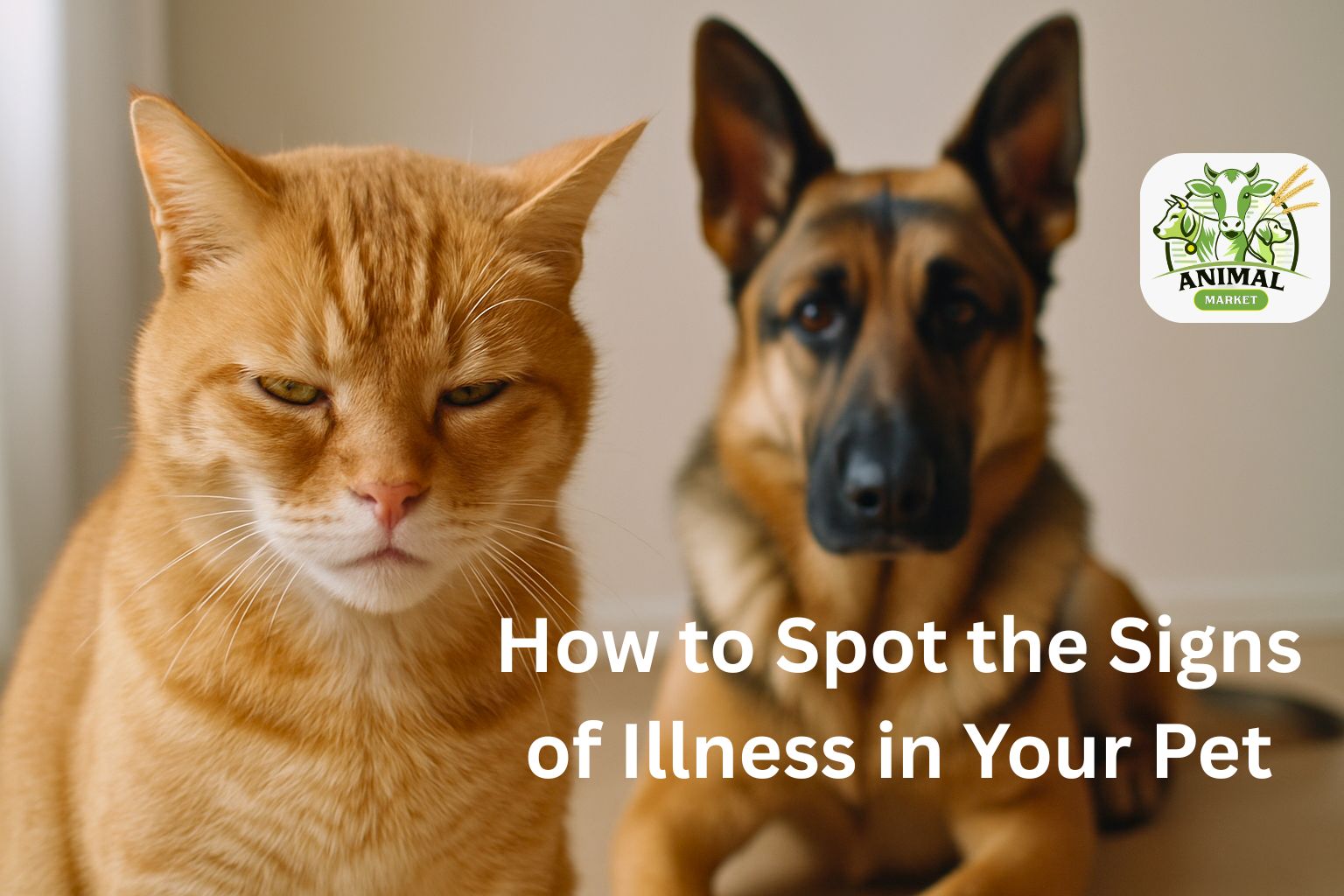
How to Spot the Signs of Illness in Your Pet
<p><br></p><p>Pets can’t tell us when they’re feeling unwell, so it’s up to us as responsible pet owners to recognize the subtle (and sometimes not-so-subtle) signs that something might be wrong. Detecting early signs of illness can mean the difference between a quick recovery and a serious health issue. Here’s how to spot the signs of illness in your pet and what to do about it.</p><hr><h2>1. <strong>Changes in Eating or Drinking Habits</strong></h2><p>One of the earliest signs that something may be wrong is a change in your pet’s appetite or water consumption. Watch for:</p><ul>
<li>
<p>Loss of appetite or refusal to eat</p>
</li>
<li>
<p>Increased or decreased thirst</p>
</li>
<li>
<p>Difficulty chewing or swallowing</p>
</li>
<li>
<p>Sudden weight gain or loss</p>
</li>
</ul><hr><h2>2. <strong>Lethargy or Decreased Activity</strong></h2><p>A usually energetic dog or playful cat that suddenly becomes lethargic may be signaling a health problem. Symptoms include:</p><ul>
<li>
<p>Excessive sleeping</p>
</li>
<li>
<p>Lack of interest in walks or play</p>
</li>
<li>
<p>Difficulty getting up or moving</p>
</li>
</ul><hr><h2>3. <strong>Vomiting or Diarrhea</strong></h2><p>While occasional stomach upset can happen, frequent vomiting or diarrhea can indicate:</p><ul>
<li>
<p>Infections</p>
</li>
<li>
<p>Parasites</p>
</li>
<li>
<p>Dietary issues</p>
</li>
<li>
<p>Serious internal conditions</p>
</li>
</ul><p>Persistent symptoms should prompt an immediate vet visit.</p><hr><h2>4. <strong>Changes in Urination or Defecation</strong></h2><p>Pay attention to how often and how easily your pet eliminates. Watch for:</p><ul>
<li>
<p>Straining or pain during urination</p>
</li>
<li>
<p>Accidents in the house</p>
</li>
<li>
<p>Blood in urine or stool</p>
</li>
<li>
<p>Constipation</p>
</li>
</ul><p>These could be signs of urinary tract infections, kidney problems, or digestive issues.</p><hr><h2>5. <strong>Coughing, Sneezing, or Breathing Issues</strong></h2><p>Just like humans, pets can get respiratory infections. Signs include:</p><ul>
<li>
<p>Frequent coughing or sneezing</p>
</li>
<li>
<p>Wheezing or labored breathing</p>
</li>
<li>
<p>Nasal discharge</p>
</li>
</ul><p>Chronic or worsening symptoms need veterinary evaluation.</p><hr><h2>6. <strong>Changes in Coat or Skin Condition</strong></h2><p>A healthy coat is a sign of a healthy pet. Look for:</p><ul>
<li>
<p>Excessive shedding or bald patches</p>
</li>
<li>
<p>Red, flaky, or irritated skin</p>
</li>
<li>
<p>Persistent scratching, licking, or biting</p>
</li>
<li>
<p>Lumps or bumps under the skin</p>
</li>
</ul><p>These can point to allergies, parasites, infections, or even tumors.</p><hr><h2>7. <strong>Behavioral Changes</strong></h2><p>Sudden changes in your pet’s behavior can be a red flag. Examples include:</p><ul>
<li>
<p>Aggression or irritability</p>
</li>
<li>
<p>Hiding or avoiding people</p>
</li>
<li>
<p>Anxiety or restlessness</p>
</li>
<li>
<p>Unusual vocalization</p>
</li>
</ul><p>These may stem from pain, discomfort, or neurological issues.</p><hr><h2>8. <strong>Bad Breath or Dental Issues</strong></h2><p>Dental disease is common in pets but often goes unnoticed. Be alert for:</p><ul>
<li>
<p>Foul-smelling breath</p>
</li>
<li>
<p>Drooling</p>
</li>
<li>
<p>Swollen gums</p>
</li>
<li>
<p>Loose or missing teeth</p>
</li>
</ul><p>Routine dental care and checkups are crucial.</p><hr><h2>What to Do If You Notice These Signs</h2><ol>
<li>
<p><strong>Keep a Record</strong>: Document symptoms, frequency, and duration.</p>
</li>
<li>
<p><strong>Contact Your Vet</strong>: Early diagnosis and treatment can prevent complications.</p>
</li>
<li>
<p><strong>Don’t Self-Medicate</strong>: Human medications can be toxic to animals.</p>
</li>
<li>
<p><strong>Regular Checkups</strong>: Even if your pet seems healthy, routine vet visits help catch silent problems early.</p>
</li>
</ol><hr><h2>Final Thoughts</h2><p>Being attentive and proactive about your pet’s health can extend their life and improve their quality of life. If you notice anything unusual, trust your instincts and consult your veterinarian. Your pet relies on you to be their voice.</p><p><br></p>
<li>
<p>Loss of appetite or refusal to eat</p>
</li>
<li>
<p>Increased or decreased thirst</p>
</li>
<li>
<p>Difficulty chewing or swallowing</p>
</li>
<li>
<p>Sudden weight gain or loss</p>
</li>
</ul><hr><h2>2. <strong>Lethargy or Decreased Activity</strong></h2><p>A usually energetic dog or playful cat that suddenly becomes lethargic may be signaling a health problem. Symptoms include:</p><ul>
<li>
<p>Excessive sleeping</p>
</li>
<li>
<p>Lack of interest in walks or play</p>
</li>
<li>
<p>Difficulty getting up or moving</p>
</li>
</ul><hr><h2>3. <strong>Vomiting or Diarrhea</strong></h2><p>While occasional stomach upset can happen, frequent vomiting or diarrhea can indicate:</p><ul>
<li>
<p>Infections</p>
</li>
<li>
<p>Parasites</p>
</li>
<li>
<p>Dietary issues</p>
</li>
<li>
<p>Serious internal conditions</p>
</li>
</ul><p>Persistent symptoms should prompt an immediate vet visit.</p><hr><h2>4. <strong>Changes in Urination or Defecation</strong></h2><p>Pay attention to how often and how easily your pet eliminates. Watch for:</p><ul>
<li>
<p>Straining or pain during urination</p>
</li>
<li>
<p>Accidents in the house</p>
</li>
<li>
<p>Blood in urine or stool</p>
</li>
<li>
<p>Constipation</p>
</li>
</ul><p>These could be signs of urinary tract infections, kidney problems, or digestive issues.</p><hr><h2>5. <strong>Coughing, Sneezing, or Breathing Issues</strong></h2><p>Just like humans, pets can get respiratory infections. Signs include:</p><ul>
<li>
<p>Frequent coughing or sneezing</p>
</li>
<li>
<p>Wheezing or labored breathing</p>
</li>
<li>
<p>Nasal discharge</p>
</li>
</ul><p>Chronic or worsening symptoms need veterinary evaluation.</p><hr><h2>6. <strong>Changes in Coat or Skin Condition</strong></h2><p>A healthy coat is a sign of a healthy pet. Look for:</p><ul>
<li>
<p>Excessive shedding or bald patches</p>
</li>
<li>
<p>Red, flaky, or irritated skin</p>
</li>
<li>
<p>Persistent scratching, licking, or biting</p>
</li>
<li>
<p>Lumps or bumps under the skin</p>
</li>
</ul><p>These can point to allergies, parasites, infections, or even tumors.</p><hr><h2>7. <strong>Behavioral Changes</strong></h2><p>Sudden changes in your pet’s behavior can be a red flag. Examples include:</p><ul>
<li>
<p>Aggression or irritability</p>
</li>
<li>
<p>Hiding or avoiding people</p>
</li>
<li>
<p>Anxiety or restlessness</p>
</li>
<li>
<p>Unusual vocalization</p>
</li>
</ul><p>These may stem from pain, discomfort, or neurological issues.</p><hr><h2>8. <strong>Bad Breath or Dental Issues</strong></h2><p>Dental disease is common in pets but often goes unnoticed. Be alert for:</p><ul>
<li>
<p>Foul-smelling breath</p>
</li>
<li>
<p>Drooling</p>
</li>
<li>
<p>Swollen gums</p>
</li>
<li>
<p>Loose or missing teeth</p>
</li>
</ul><p>Routine dental care and checkups are crucial.</p><hr><h2>What to Do If You Notice These Signs</h2><ol>
<li>
<p><strong>Keep a Record</strong>: Document symptoms, frequency, and duration.</p>
</li>
<li>
<p><strong>Contact Your Vet</strong>: Early diagnosis and treatment can prevent complications.</p>
</li>
<li>
<p><strong>Don’t Self-Medicate</strong>: Human medications can be toxic to animals.</p>
</li>
<li>
<p><strong>Regular Checkups</strong>: Even if your pet seems healthy, routine vet visits help catch silent problems early.</p>
</li>
</ol><hr><h2>Final Thoughts</h2><p>Being attentive and proactive about your pet’s health can extend their life and improve their quality of life. If you notice anything unusual, trust your instincts and consult your veterinarian. Your pet relies on you to be their voice.</p><p><br></p>