



Practical guides, downloadable resources, and simple explainers for cattle, crop, and pet care.
Search for topic or use filters to narrow the category.
 Article
How One Family Found Their Perfect Pet Through Animal MarketWhen the Kumar family decided to bring a pet into their home, they were excited—but they had no idea how challenging the process would be.Their children had been asking for a dog for months. Like any responsible parents, Mr. and Mrs. Kumar wanted to find a healthy pet from a trustworthy owner. They spent several weekends visiting pet shops, contacting breeders, and asking friends for recommendations.Unfortunately, nothing seemed to work out.Some sellers were located far away. Others didn't provide enough information about the pet's health or vaccination history. The family found themselves spending more time searching than actually getting closer to finding the right pet.That's when they discovered Animal Market.A Simpler Way to Find PetsOne evening, while browsing online, Mr. Kumar came across Animal Market, a platform where pet owners, breeders, and animal lovers connect directly.He decided to give it a try.Within minutes, the family was exploring pet listings from different locations. They could view photos, compare breeds, check pet details, and directly contact owners—all from their mobile phone."It was much easier than driving around the city every weekend," Mr. Kumar later shared.Finding the Right CompanionAfter browsing several listings, one puppy immediately caught their attention.The listing included clear photographs, age details, vaccination information, and contact details of the owner. Instead of guessing or relying on incomplete information, the family could make a more informed decision.They contacted the owner through Animal Market and asked questions about the puppy's behavior, diet, and daily routine.The owner responded quickly and provided all the details they needed.For the first time during their search, the family felt confident they were moving in the right direction.The Day Everything ChangedA few days later, the puppy arrived at its new home.The children were waiting near the door with excitement. Within minutes, the puppy was running around the house, exploring every corner and winning everyone's hearts.What started as a simple search for a pet quickly turned into a memorable family moment.Today, the puppy is more than just a pet. He is a part of the family.Why More Families Are Choosing Animal MarketStories like the Kumar family's are becoming increasingly common.Traditional methods of finding pets can be time-consuming and limited. Animal Market helps families discover pets more conveniently by bringing pet owners and buyers together on a single platform.With Animal Market, users can:Browse pet listings anytime, anywhereConnect directly with pet owners and breedersView pet details before making a decisionSave time and effort during the search processExplore a wider range of pets across locationsA Platform Built for Animal LoversAt Animal Market, our goal is simple: make it easier for people to connect with the animals they love.Whether you're looking for a playful puppy, a loving cat, a beautiful bird, or even livestock, Animal Market helps bridge the gap between buyers and sellers in a simple and transparent way.For the Kumar family, Animal Market helped them find more than a pet—it helped them find a new family member.And that's exactly why we built Animal Market.Looking for your perfect pet? Start your journey today with Animal Market and discover pets near you from the comfort of your home.
 Article
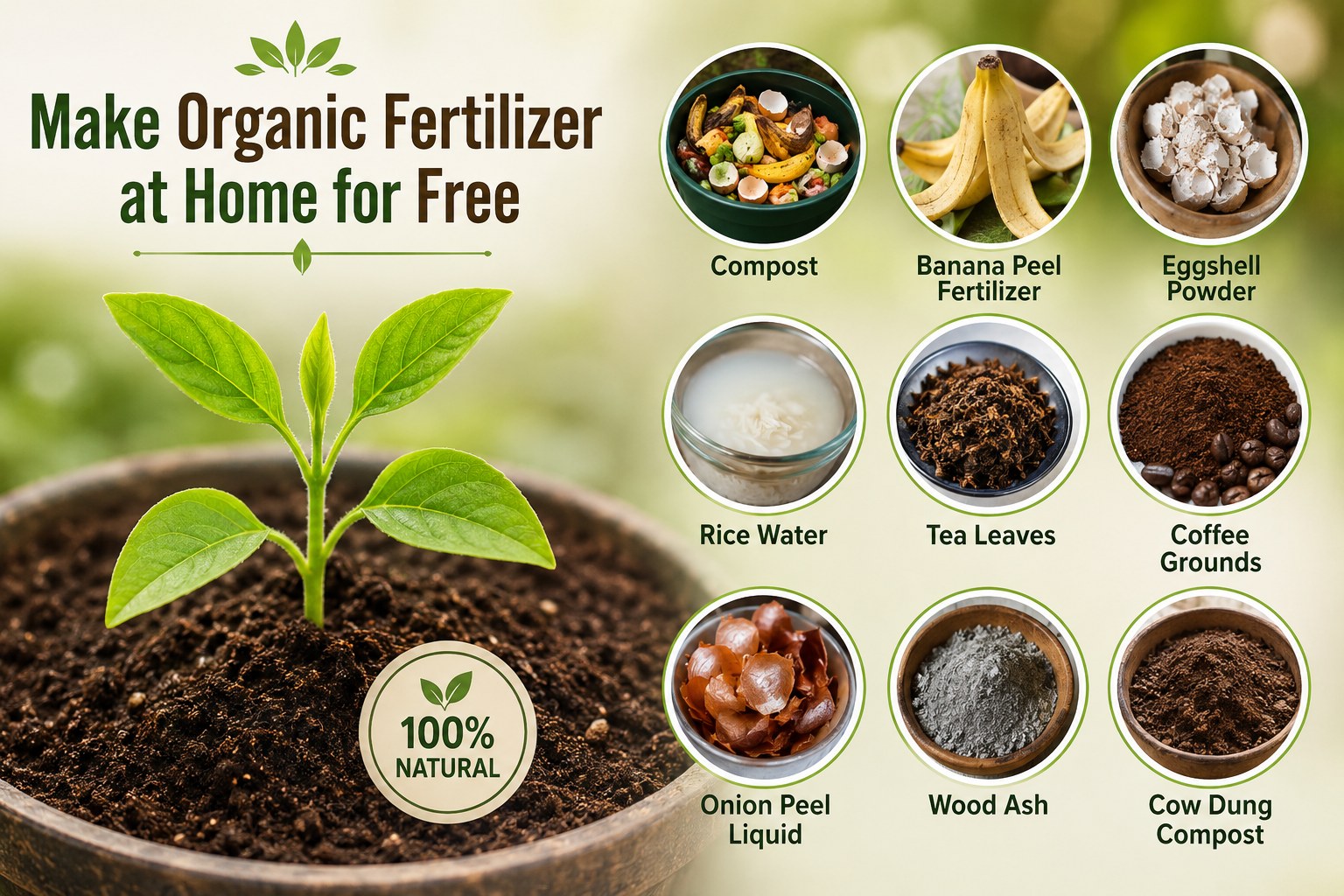
Organic Fertilizers You Can Make at Home for FreeTurn Your Kitchen Waste into Garden GoldIf you love gardening or growing your own vegetables, you don't need to spend money on expensive fertilizers. In fact, some of the best plant food is probably sitting in your kitchen right now.Every day, we throw away banana peels, vegetable scraps, eggshells, tea leaves, and other organic waste without realizing how valuable they are for our plants. Instead of sending them to the dustbin, you can turn them into nutrient-rich organic fertilizer that costs absolutely nothing.Not only does this save money, but it also improves soil health, reduces household waste, and helps grow healthier plants naturally.Here are some easy homemade fertilizers that anyone can make.1. Compost – The Best Free FertilizerCompost is often called "black gold" by gardeners, and for good reason. It's packed with nutrients and beneficial microbes that help plants thrive.You can make compost using vegetable peels, fruit waste, tea leaves, coffee grounds, dry leaves, and even shredded paper.Simply collect these materials in a container, keep them slightly moist, and turn them once every week. In about two months, you'll have rich compost that smells like fresh soil.Your plants will love it.2. Banana Peel FertilizerDon't throw away banana peels after eating a banana.They are rich in potassium, which helps plants produce more flowers and fruits.Just cut the peels into small pieces and soak them in water for two or three days. Use this water to water your plants.You can also dry the peels, grind them into powder, and mix them into the soil.This works especially well for tomatoes, roses, chillies, and flowering plants.3. Eggshell Powder for Stronger PlantsEggshells are full of calcium, an important nutrient for healthy plant growth.Wash the shells, let them dry, and crush them into a fine powder. Mix the powder into your garden soil or flower pots.It strengthens roots and helps prevent calcium deficiency in vegetables like tomatoes.4. Rice Water – A Simple Plant BoosterThe water left after washing rice contains minerals and starch that feed beneficial microorganisms in the soil.Instead of pouring it down the sink, let it rest for a few hours and use it to water your plants.It's one of the easiest ways to recycle kitchen waste.5. Used Tea LeavesIf you drink tea every day, don't waste the tea leaves.After washing away sugar or milk residue, mix them into the soil or compost pile.Tea leaves improve soil texture and slowly release nutrients that help leafy plants grow better.6. Coffee GroundsUsed coffee powder is rich in nitrogen, making it great for leafy vegetables and ornamental plants.Just sprinkle a small amount around the base of the plant and mix it lightly into the soil.Remember, a little goes a long way.7. Onion Peel Liquid FertilizerOnion peels are often overlooked, but they're surprisingly useful.Soak them in water overnight and use the strained liquid to water your plants.It provides micronutrients that encourage healthy growth.8. Wood AshIf your home uses firewood for cooking or heating, save the ash instead of throwing it away.Wood ash contains potassium and calcium, both essential for flowering and fruit production.Use it sparingly because too much can make the soil alkaline.9. Cow Dung CompostFor generations, Indian farmers have relied on well-decomposed cow dung to enrich their fields.Once fully composted, it improves soil fertility, supports beneficial microbes, and releases nutrients slowly over time.Avoid using fresh cow dung directly on plants.10. Dry Leaves CompostEvery autumn or summer, piles of dry leaves end up being burned or discarded.Instead, collect them and mix them with kitchen waste to create leaf compost.This natural fertilizer improves soil structure and helps retain moisture, making it ideal for vegetable gardens.Why Homemade Organic Fertilizers Are Worth ItUsing homemade fertilizers isn't just about saving money.They make the soil healthier year after year, encourage earthworms and beneficial microbes, reduce pollution, and produce vegetables that are safer to eat.Most importantly, you're recycling waste that would otherwise end up in landfills.It's a simple habit that benefits both your garden and the environment.A Few Simple TipsApply organic fertilizer once every 3–4 weeks.Water plants after adding compost or fertilizer.Don't overuse any single fertilizer.Mix different organic materials for balanced nutrition.Keep compost moist but not waterlogged.
 Article
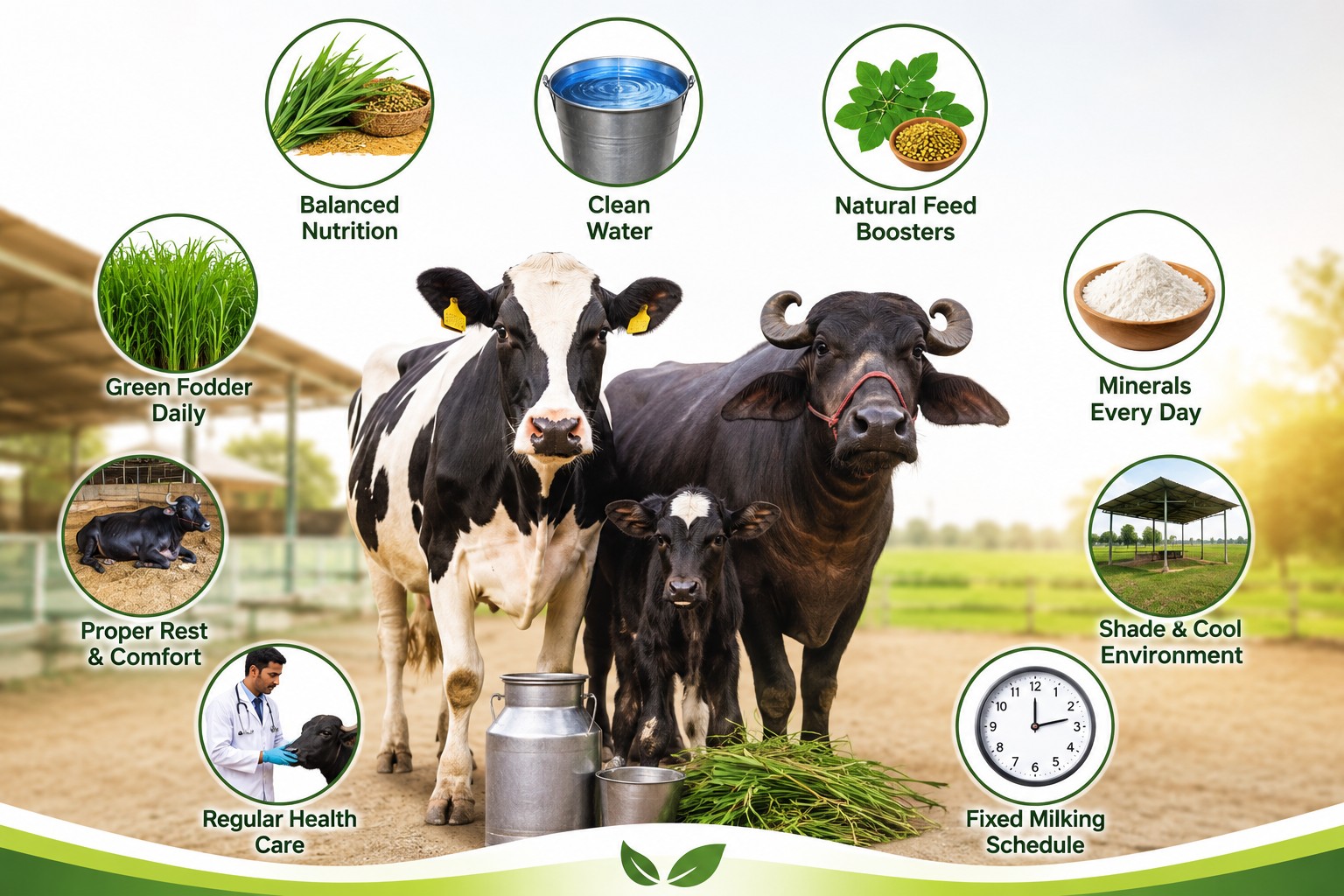
Every dairy farmer dreams of getting more milk from their cows and buffaloes. However, increasing milk production doesn't always require expensive supplements or medicines. With proper nutrition, good management practices, and natural care, you can significantly improve your animal's milk yield while keeping it healthy and productive.Let's explore the best natural ways to increase milk production.1. Provide a Balanced DietMilk production starts with nutrition. An animal cannot produce quality milk without receiving enough nutrients.A balanced diet should include:Green fodder such as Napier grass, maize, sorghum, or lucerneDry fodder like wheat straw or paddy strawConcentrate feed rich in protein and energyMineral mixture and saltProtein is especially important during lactation, as it directly supports milk production.2. Always Ensure Clean Drinking WaterMilk contains nearly 85% water. If your cow or buffalo does not drink enough clean water, milk production can decrease quickly.Always provide:Fresh drinking waterUnlimited access throughout the dayClean water containersA high-yielding buffalo may drink over 80 liters of water daily during summer.3. Feed Green Fodder DailyFresh green fodder supplies essential vitamins, minerals, and natural energy.Good choices include:Hybrid Napier grassCO-4 grassMaize fodderBerseemLucerneRegular green fodder feeding helps improve digestion and milk yield naturally.4. Include Natural Milk Boosting IngredientsMany experienced dairy farmers use traditional natural supplements.These include:Moringa leavesFenugreek seedsCottonseed cakeGroundnut cakeMustard oil cakeFlaxseedJaggery mixed with bran in small quantitiesThese should be given in moderation and as part of a balanced diet.5. Never Skip Mineral MixtureMany animals suffer from hidden mineral deficiencies.Calcium, phosphorus, zinc, and other trace minerals are essential for:Better milk productionImproved fertilityStrong bonesBetter immunityAdding a recommended mineral mixture daily often improves milk yield over time.6. Reduce Heat StressSummer heat can reduce milk production by 10–30%.Protect animals by:Providing shadeUsing fans or sprinklersBathing buffaloes regularlyEnsuring proper ventilationKeeping animals cool helps maintain appetite and milk production.7. Follow a Fixed Milking ScheduleMilk your animal at the same time every day.Consistency helps stimulate milk secretion and reduces stress.Always:Wash the udder before milkingUse clean hands and utensilsMilk gently and completelyPoor milking practices can reduce overall yield.8. Control Parasites and DiseasesInternal worms and external parasites reduce nutrient absorption and weaken animals.Regular:DewormingVaccinationVeterinary checkupsTick controlcan help maintain consistent milk production.9. Allow Enough RestJust like humans, dairy animals need proper rest.Provide:Clean beddingDry flooringComfortable shelterAdequate space to lie downStress-free animals produce more milk.10. Maintain Good Body ConditionAn animal that is too thin or overweight usually produces less milk.Monitor body condition regularly and adjust feeding accordingly.Healthy animals naturally perform better.Foods That Can Naturally Support Milk ProductionSome commonly used natural feed ingredients include:Green fodderMoringa leavesCottonseed cakeGroundnut cakeMustard cakeFenugreek seedsMineral mixtureRice branWheat branOilseed cakesAlways introduce new feeds gradually and maintain a balanced ration.Common Mistakes Farmers MakeAvoid these mistakes:Feeding only dry strawNot providing enough waterIrregular milking timesIgnoring mineral supplementsOverfeeding concentratesPoor hygiene during milkingDelaying disease treatmentCorrecting these simple mistakes can improve milk production naturally.Final ThoughtsIncreasing milk production naturally is a combination of proper feeding, clean water, regular healthcare, stress management, and good dairy practices. There is no magic feed that instantly increases milk yield, but consistent care and balanced nutrition can make a noticeable difference over time.Healthy cows and buffaloes are the foundation of a profitable dairy farm. Invest in their nutrition and well-being, and they will reward you with better milk production and a longer productive life.
 Article
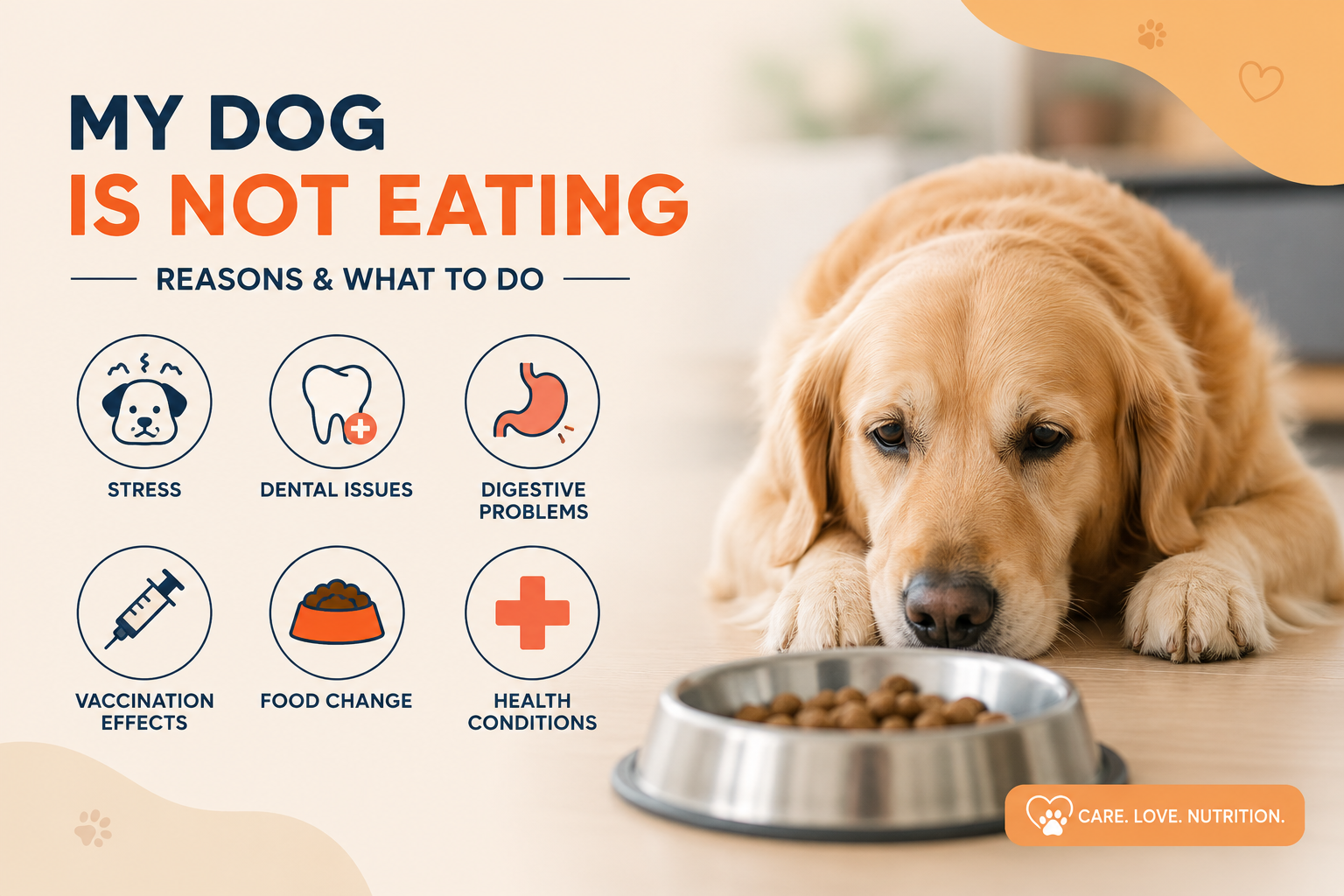
My Dog Is Not Eating — Reasons, Warning Signs & What to DoA complete guide for worried pet parentsEvery dog owner knows that moment of panic you set down the bowl, walk away, and come back to find it untouched. Your dog, who once inhaled food like a vacuum cleaner, is now sniffing and walking away.Don't worry you're not alone. Loss of appetite is one of the most common concerns dog owners search for. But it's also one where knowing the difference between "totally fine" and "call the vet now" can make a real difference.This guide covers everything: the real reasons dogs stop eating, what the symptoms mean, how long is too long, and practical steps you can take right now.Is It Actually a Problem?First, a quick sanity check. Dogs can skip a meal occasionally without anything being wrong. Just like humans, they have off days they're hot, they're bored, they're not that hungry.The rule of thumb: Skipping one meal → watch and wait Not eating for 24–48 hours → take it seriously Not eating for more than 48 hours, especially with other symptoms → contact your vet If your dog is acting normal in every other way playful, drinking water, no vomiting a skipped meal is usually nothing to worry about. But if they're lethargic, hiding, or clearly uncomfortable, that changes things.12 Common Reasons Why Dogs Stop Eating1. 🤒 Illness or InfectionJust like us, when dogs feel sick, eating is the last thing on their mind. Infections, fevers, digestive issues, and viral illnesses all cause appetite loss. It's often the first symptom that something is off internally.Watch for: Lethargy, vomiting, diarrhea, or unusual behaviour alongside not eating.2. 🦷 Dental Pain or Tooth ProblemsImagine trying to enjoy a meal with a cracked tooth or inflamed gum. Dogs suffer in silence with dental pain, and many owners never notice until it's serious.Bad breath, pawing at the mouth, chewing on one side, or dropping food are all signs your dog's mouth might be hurting.What to do: Check their mouth gently for swelling, bleeding gums, or broken teeth. A vet dental check is often needed.3. 💊 Medication Side EffectsDid your dog recently start a new medication? Many common drugs antibiotics, anti-parasitics, vaccines, and even some supplements can cause nausea or temporary appetite loss.This is one of the least alarming reasons and usually resolves on its own in a day or two.4. 😟 Stress, Anxiety, or Emotional ChangesDogs are deeply emotional animals. Changes in their environment hit them hard.Common stress triggers include: Moving to a new home A new baby, pet, or person in the house Owner traveling or being away Loud events (fireworks, construction) Disrupted routine Some dogs also go through a grieving period after losing a companion human or animal.5. 🍽️ Boredom With Their FoodYes, dogs can get bored of eating the same kibble day after day. If you've been feeding the same brand for months and your dog is losing interest, they might simply be holding out for something better.This is especially common in picky breeds like Cavalier King Charles Spaniels, Shih Tzus, and French Bulldogs.6. 🌡️ Hot WeatherDogs naturally eat less in summer. High temperatures reduce their metabolic need for calories, and their bodies instinctively reduce appetite to stay cool.If the weather has turned hot and your dog is otherwise fine this is probably why.7. 🐕 Overfeeding or Too Many TreatsIf your dog gets a lot of treats, table scraps, or human food throughout the day, they may simply not be hungry at mealtimes. They've already had their calories.Track what your dog is actually consuming in a day you might be surprised.8. 🧠 Cognitive Decline in Older DogsSenior dogs sometimes lose their appetite due to cognitive dysfunction the dog equivalent of dementia. They may forget to eat, lose interest in food, or become confused around mealtimes.Age-related health issues like kidney disease, liver problems, and cancer also frequently cause appetite changes in older dogs.9. 🪱 Parasites (Worms)Internal parasites roundworms, tapeworms, hookworms can cause nausea and appetite loss. They're especially common in puppies but affect dogs of all ages.If your dog is overdue for deworming, this is worth checking.10. 🫃 Gastrointestinal IssuesStomach problems, blockages, bloating, acid reflux, or inflammatory bowel disease can all make eating uncomfortable or painful. A dog that eats a little and then stops, or keeps going to the bowl and walking away, may have digestive discomfort.Bloat is an emergency. If your dog's stomach looks distended and they are retching without vomiting, go to an emergency vet immediately.11. 📍 Recent VaccinationIt's completely normal for dogs to feel a bit under the weather for 24–48 hours after a vaccine. A temporary dip in appetite is one of the most reported side effects.If it lasts longer than two days post-vaccine, check with your vet.12. 🍖 Food Quality or SpoilageCheck your dog's food. Has the bag been open for a while? Does it smell off? Dry kibble goes stale faster than most owners realise especially in warm climates. Dogs have sensitive noses and will refuse food that smells wrong to them, even when it looks fine to us.Warning Signs That Need Immediate Vet AttentionSome signs alongside not eating are red flags. Don't wait call your vet if you see: ❌ Not eating for more than 48 hours ❌ Vomiting repeatedly or blood in vomit ❌ Blood in stool or diarrhoea lasting more than a day ❌ Distended or hard belly ❌ Extreme lethargy or collapse ❌ Rapid weight loss ❌ Pale or yellow gums ❌ Difficulty breathing along with not eating ❌ Puppies not eating for more than 12 hours Puppies and senior dogs need faster attention. Their bodies have less reserve and can decline quickly.What You Can Do At Home (Practical Tips)Before calling the vet for a dog who skipped one meal and seems otherwise fine, here are things to try:✅ Try Warming the FoodWarming wet food or adding warm water to kibble releases aromas that can entice a reluctant eater. Even a few seconds in the microwave (then cool it down to room temperature) can make a difference.✅ Add a TopperMix in a small amount of plain boiled chicken, rice, or a spoonful of plain pumpkin puree. These are gentle on the stomach and highly appealing to most dogs.✅ Switch Feeding LocationSometimes dogs associate their bowl location with stress or competition (especially in multi-dog homes). Try feeding in a quiet, separate space.✅ Remove the Bowl After 20 MinutesDon't leave food down all day. Set it down, give them 15–20 minutes, and if they don't eat, pick it up. This teaches meal structure and reduces grazing behaviour.✅ Reduce Treats TemporarilyCut back on snacks between meals for a day or two and see if appetite returns at mealtimes.✅ Check the FoodSmell and inspect it. If the kibble is stale, switch bags or brands. Store dry food in an airtight container.✅ Keep Routine ConsistentDogs thrive on routine. Feed at the same times every day. If something in their environment has changed, try to restore predictability.When to Call the VetIf your dog hasn't eaten for 48 hours, it's time to call regardless of other symptoms. For puppies, senior dogs, or dogs with pre-existing conditions, act sooner within 12–24 hours.Your vet will likely ask: When they last ate normally Any recent changes in diet, environment, or medication Whether they're drinking water Any vomiting, diarrhoea, or other symptoms Their energy levels and behaviour The more detail you can give, the faster the diagnosis.Prevention: Keeping Your Dog's Appetite HealthyThe best way to handle appetite problems is to prevent them in the first place: Feed a high-quality, age-appropriate diet — cheap food can cause digestive problems Stick to consistent mealtimes Avoid overfeeding treats and table scraps Keep up with dental checks — once a year minimum Regular vet check-ups — especially for senior dogs (twice yearly) Deworming on schedule — ask your vet how often based on your dog's lifestyle Manage stress — exercise, enrichment, and routine all help
 Article
Best Cat Breeds for Indian Homes: Finding the Perfect Feline CompanionThere's something special about coming home after a long day and being greeted by a curious little face and a gentle purr. Cats have quietly become one of India's most loved pets, especially among apartment dwellers, young professionals, and families looking for a companion that's affectionate without being overly demanding.But if you're planning to bring a cat home, one question naturally comes up:Which cat breed is best for Indian homes?The answer isn't as simple as choosing the cutest kitten. India's hot summers, apartment lifestyles, busy work schedules, and family environments all play a role in deciding which cat will be happiest in your home.Let's explore some of the best cat breeds that adapt well to Indian conditions and make wonderful companions.1. The Indian Cat – The Hidden GemIf you've ever seen a cat lounging on a compound wall or casually walking through a neighborhood, you've probably met an Indian Domestic Cat.Many people overlook them while searching for expensive foreign breeds, but these cats are often the most practical choice for Indian homes.They're naturally adapted to our climate, generally healthier, and incredibly intelligent. They don't require fancy grooming sessions or special care routines.Most importantly, they form deep bonds with their families and can be just as loving as any pedigree breed.If you're a first-time cat parent, don't underestimate the Indian cat. Sometimes the best companion is the one closest to home.2. Persian Cats – India's Favorite Fluffy CompanionThere's a reason Persian cats are so popular in India.Their fluffy coats, expressive eyes, and calm personalities make them irresistible. Unlike highly energetic breeds, Persians are content spending hours relaxing beside their owners.They are perfect for people who enjoy a peaceful home environment.However, their beauty comes with responsibility. Their long fur needs regular brushing, and they generally prefer cooler indoor environments during peak summer months.If you're willing to invest some time in grooming, a Persian can be an incredibly affectionate and loyal companion.3. British Shorthair – Calm, Cute, and EasygoingImagine a cat that looks like a teddy bear and behaves like a polite house guest.That's the British Shorthair.These cats are known for their round faces, plush coats, and relaxed personalities. They're affectionate without being clingy and can comfortably spend time alone while you're at work.For busy professionals and families, this breed strikes a great balance between companionship and independence.They also require much less grooming compared to long-haired breeds.4. Siamese Cats – For People Who Want a Best FriendNot all cats are quiet.Siamese cats are famous for "talking" to their owners. They love interaction, attention, and being involved in whatever you're doing.Whether you're working on your laptop or watching television, a Siamese cat will likely be nearby, offering commentary of its own.These cats are highly intelligent and playful. They enjoy puzzle toys, games, and human interaction.If you're looking for a pet with a big personality, the Siamese won't disappoint.5. Bengal Cats – Wild Beauty, Loving HeartThe first thing people notice about a Bengal cat is its stunning appearance.With leopard-like markings and an athletic build, Bengals look like miniature wild cats.But behind that exotic appearance is an energetic, playful pet that loves adventure.Bengals enjoy climbing, exploring, and interactive play. They thrive in homes where people have time to engage with them daily.If your idea of pet ownership includes games, activity, and endless entertainment, a Bengal could be the perfect match.6. Ragdolls – The Gentle GiantsRagdolls have earned a reputation for being among the sweetest cat breeds in the world.They're calm, affectionate, and incredibly patient with children.Many owners describe them as more dog-like than cat-like because they often follow family members from room to room and enjoy being part of daily activities.If your family wants a cuddly companion that enjoys human company, a Ragdoll is hard to beat.7. Bombay Cats – Sleek, Elegant, and AdaptableWith their shiny black coats and striking golden eyes, Bombay cats are impossible to ignore.They're playful, social, and adapt exceptionally well to indoor living.Their short coat means minimal grooming, which makes them a practical choice for busy households.Bombays are often happiest when they're close to their humans, making them ideal for families and pet lovers who enjoy interactive companionship.Which Cat Breed Is Best for Your Lifestyle?If you live in an apartment:PersianBritish ShorthairBombay CatIndian Domestic CatIf you have children:RagdollBritish ShorthairMaine CoonIf you're a working professional:British ShorthairIndian Domestic CatIf you want an active and playful pet:BengalSiameseIf you're adopting your first cat:Indian Domestic CatBombay CatBritish Shorthair
 Article
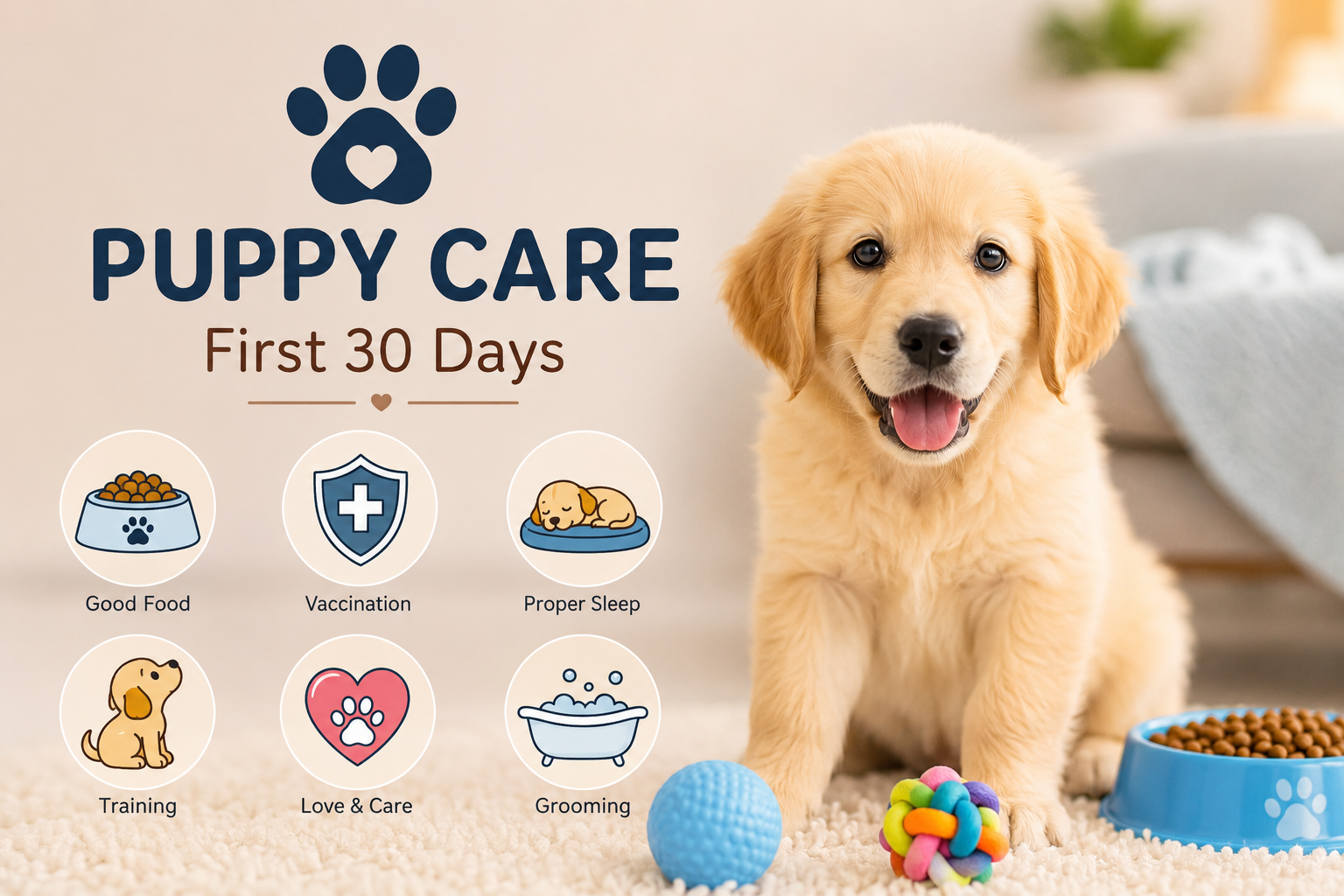
Complete Puppy Care Guide for the First 30 Days Everything New Pet Parents Must KnowBringing home a puppy is one of the happiest moments in life. But the first 30 days are also the most important stage in shaping your puppy’s health, behavior, confidence, and emotional bonding.Many first-time dog owners feel confused about feeding, vaccinations, sleeping, potty training, and puppy behavior. This complete puppy care guide will help you understand exactly what to do during the first month after bringing your puppy home.Whether you adopted an Indie puppy or bought breeds like Labrador, Golden Retriever, Shih Tzu, Husky, Pug, Beagle, German Shepherd, or Rottweiler — this guide applies to all puppies.Why the First 30 Days Are Critical for PuppiesThe first month is called the adjustment phase.Your puppy is:Leaving its mother and littermatesEntering a completely new environmentLearning human interactionBuilding trust and emotional securityDeveloping eating and sleeping habitsStarting basic trainingA positive first month creates:Better behaviorStrong immunityFaster trainingReduced anxietyStrong bonding with ownersNeglect during this phase can lead to:FearfulnessAggressionPoor eating habitsAnxiety issuesFrequent sicknessPuppy Essentials Checklist Before Bringing Your Puppy HomeBefore your puppy arrives, prepare these essentials:Basic Puppy SuppliesFood bowl and water bowlPuppy food recommended by breeder/vetComfortable dog bedPuppy crate or sleeping areaCollar and leashPuppy shampooNail clipperPuppy toysPee padsCleaning disinfectantHealth EssentialsVaccination scheduleDeworming medicineVet contact numberTick and flea preventionSafety SetupPuppies chew everything.Remove:Electric wiresSmall objectsToxic plantsMedicinesSharp itemsCreate a safe puppy zone inside your home.Day 1 to Day 3 Helping Your Puppy AdjustThe first three days are emotional for puppies.Your puppy may:Cry at nightRefuse foodHideFeel scaredSleep moreThis is normal.What You Should DoGive SpaceDo not overwhelm the puppy with too many people.Create a Calm EnvironmentKeep noise low and avoid loud music or shouting.Maintain WarmthYoung puppies cannot regulate body temperature properly.Use:Soft blanketsWarm beddingCozy sleeping cornerIntroduce Water FrequentlyHydration is extremely important.Puppy Feeding Guide for the First MonthOne of the biggest mistakes new dog owners make is overfeeding or changing food suddenly.How Many Times Should Puppies Eat?6–12 Weeks PuppiesFeed 4 meals per day.3–6 Months PuppiesFeed 3 meals per day.Always maintain consistent timing.Best Puppy FoodsChoose high-quality puppy food rich in:ProteinDHACalciumHealthy fatsHomemade Puppy Food OptionsYou can also give:Boiled chickenRicePumpkinCurdEgg (vet-approved)Sweet potatoAvoid spicy Indian food.Foods Toxic to PuppiesNever feed:ChocolateGrapesOnionsGarlicAlcoholCoffeeXylitolFried foodsThese foods can become life-threatening.Puppy Vaccination Schedule in IndiaVaccinations protect puppies from deadly diseases.Core Vaccines Include:ParvovirusDistemperRabiesHepatitisGeneral Puppy Vaccination Timeline6–8 WeeksFirst vaccination9–12 WeeksSecond vaccination12–16 WeeksBooster dosesConsult a licensed veterinarian for the exact schedule.Deworming Guide for PuppiesAlmost all puppies are born with intestinal worms.General Deworming ScheduleEvery 2 weeks until 3 monthsMonthly until 6 monthsSigns of worms:Pot bellyLoose stoolsWeaknessVomitingAlways use vet-recommended deworming medicine.Puppy Potty Training GuidePotty training requires patience.Do not punish puppies for accidents.Easy Potty Training RoutineTake your puppy:After waking upAfter mealsAfter playtimeBefore bedtimeReward immediately after successful potty.Use:TreatsPraisePositive toneConsistency is the secret.Puppy Sleep SchedulePuppies sleep 18–20 hours daily.Sleep helps:Brain developmentGrowthImmunityWhere Should Puppies Sleep?Best option:Quiet areaComfortable bedSafe crate nearby ownerAvoid allowing puppies to sleep outside during early weeks.Puppy Biting and Chewing — Is It Normal?Yes.Puppies explore the world through their mouths.Why Puppies BiteTeethingCuriosityPlayfulnessStress reliefHow to Reduce Puppy BitingGive chew toysRedirect attentionAvoid rough playTeach bite inhibition gentlyNever hit puppies.Socialization During the First MonthSocialization creates confident adult dogs.Introduce your puppy slowly to:Different soundsFamily membersCar ridesGroomingGentle handlingAvoid crowded public places before vaccinations are complete.Common Puppy Health ProblemsWatch for these warning signs:VomitingDiarrheaLoss of appetiteWeaknessFeverContinuous cryingBlood in stoolSeek veterinary help immediately if symptoms appear.Puppy Grooming BasicsBathingDo not overbathe puppies.Generally:Once every 3–4 weeksUse only puppy-safe shampoo.BrushingRegular brushing:Reduces sheddingImproves coat healthStrengthens bondingFirst Vet Visit ChecklistTake your puppy for a complete health checkup within the first week.Discuss:VaccinationsDietWeightDewormingTick preventionBreed-specific careKeep all medical records safely.Mistakes First-Time Puppy Owners Should Avoid1. OverfeedingCan cause digestive problems.2. Skipping VaccinationsDangerous and life-threatening.3. Punishing PuppiesCreates fear and aggression.4. Changing Food SuddenlyCan upset stomach health.5. Leaving Puppies Alone for Long HoursCan create anxiety issues.Best Dog Breeds for First-Time Owners in IndiaPopular beginner-friendly dog breeds:Labrador RetrieverGolden RetrieverBeagleShih TzuPugIndie DogsAlways choose based on:LifestyleSpaceBudgetClimateHow AnimalMarket Helps Pet Lovers in IndiaFinding healthy pets and trusted pet sellers can be difficult.With AnimalMarket, users can:Buy puppies onlineSell pets easilyConnect with pet ownersExplore different dog breedsFind pets across IndiaThe platform is designed for pet lovers who want a simple and trusted marketplace experience.Frequently Asked Questions (FAQs)How long does it take for a puppy to adjust to a new home?Most puppies adjust within 2–4 weeks.Can puppies drink milk?Avoid regular cow milk. It may cause stomach upset.When should puppies get vaccinated?Usually starting from 6–8 weeks of age.How often should puppies poop?Young puppies may poop 4–6 times daily.Is puppy biting normal?Yes, puppy biting is completely normal during teething.Can puppies eat rice?Yes, plain cooked rice in moderation is generally safe.
 Article
Quiet Dog Breeds for Apartments: The Best Calm Companions for Small SpacesLiving in an apartment with a dog can be amazing until your dog decides to bark at every footstep in the hallway, every passing bike, or the neighbor’s door closing at midnight.That’s why choosing the right breed matters so much.Not all dogs are naturally noisy. Some breeds are calm, relaxed, and perfectly happy living in smaller spaces. They don’t need huge backyards or endless running around. Instead, they enjoy naps, cuddles, short walks, and simply being close to their humans.If you’re looking for a peaceful furry companion, here are some of the best quiet dog breeds for apartment living.1. French BulldogFrench Bulldogs are practically built for apartment life. They’re small, easygoing, and not big barkers. Most of the time, they’d rather sleep beside you on the couch than create chaos.One of the best things about Frenchies is their personality. They’re playful without being hyper and affectionate without being overly demanding.Why apartment owners love them:Quiet and calmDon’t need much exerciseSmall enough for tiny spacesFriendly with people and neighborsThe only downside? They can be a little stubborn sometimes — but honestly, that’s part of their charm.2. Cavalier King Charles SpanielIf you want a dog that feels like a tiny best friend, the Cavalier is hard to beat.These dogs are sweet, gentle, and usually very quiet. They adapt easily to apartment life because they care more about being near their owner than having a huge space to run around in.They’re also great for first-time dog owners because of their friendly nature.What makes them apartment-friendly:Rarely bark without reasonLove indoor livingEasy to trainVery affectionateThey do get attached to their humans though, so they’re happiest in homes where someone is around often.3. GreyhoundThis one surprises a lot of people.Greyhounds may be racing dogs, but indoors they are incredibly lazy. Seriously — many Greyhound owners joke that their dog sleeps all day long.Despite their larger size, they’re quiet, calm, and surprisingly gentle in apartments.Why they work well in apartments:Very low barkingCalm indoorsClean and low-maintenanceLove relaxingAs long as they get a daily walk, they’re usually happy spending the rest of the day stretched out on a soft bed.4. Shih TzuShih Tzus were originally bred to be companion dogs, and honestly, they still take that job very seriously.They love being around people and are usually content in smaller homes or apartments. Unlike some energetic breeds, Shih Tzus don’t constantly demand activity.Why they’re great for small spaces:Calm personalityUsually quiet indoorsSmall and adaptableEnjoy cuddling more than runningTheir fluffy coat does need regular grooming, but many owners feel the adorable look is worth the effort.5. BasenjiThe Basenji is often called the “barkless dog,” which instantly makes apartment owners interested.Now, they’re not completely silent — they make funny yodel-like sounds sometimes — but they don’t bark like most dogs do.Basenjis are intelligent, curious, and very clean.Why people choose them for apartments:Extremely quietMinimal dog smellIndependent natureClean habitsThey can be a little mischievous though, so keeping them mentally entertained is important.6. Bichon FriseBichon Frises are cheerful little dogs with soft fluffy coats and friendly personalities.They’re social dogs, but they’re not usually aggressive barkers. With proper training and attention, they fit apartment life really well.Apartment-friendly qualities:Small and adaptableFriendly with visitorsGenerally calm indoorsGreat companion dogsThey love attention, so they’re happiest when they don’t spend long hours alone every day.7. PugPugs are one of the most relaxed dog breeds you can own.They’re affectionate, funny, and usually more interested in snacks and naps than causing trouble. Most pugs are naturally quiet and easy to manage in apartments.Why pugs are popular apartment dogs:Low energy levelsNot excessive barkersLove lounging indoorsFriendly and lovableJust keep them cool during hot weather since their short snouts make heat harder to handle.Tips to Keep Any Dog Quiet in an ApartmentEven quiet breeds can become noisy if they’re bored or stressed. A few simple habits can make a huge difference.Give them daily exerciseA dog with pent-up energy is more likely to bark. Even short walks help.Don’t leave them alone too longDogs can become anxious and vocal when they feel lonely.Train earlyTeaching commands like “quiet” from the beginning helps prevent bad habits later.Create a comfortable routineDogs feel calmer when they know what to expect each day.
 Article
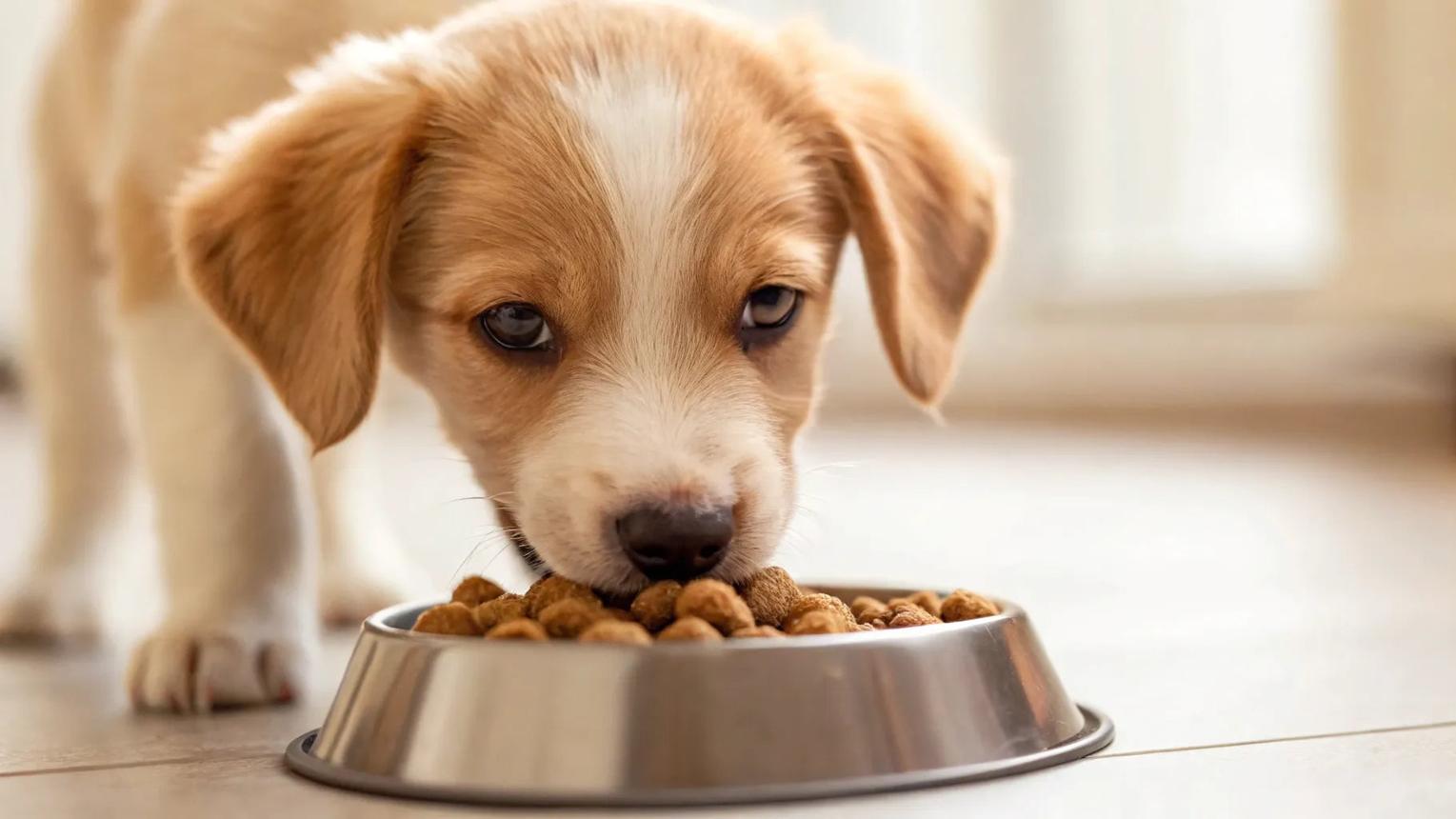
Beginner’s Guide to Dog Food: What Every New Dog Parent Should KnowBringing a dog home is exciting. Whether it’s a playful puppy or a rescued adult dog, one question hits every beginner quickly:“What should I feed my dog?”Walk into any pet store or open any online shopping app, and suddenly you’ll see hundreds of options puppy food, adult food, grain-free food, dry food, wet food, breed-specific food, homemade diets, supplements, treats, and more.It can feel confusing at first.The good news? Feeding your dog properly doesn’t need to be complicated. Once you understand the basics, choosing the right food becomes much easier.Why Dog Food Matters More Than People ThinkFood is not just about filling your dog’s stomach.A good diet affects:Energy levelsGrowth and body developmentSkin and coat qualityDigestionImmunityBone strengthLifespanPoor-quality food can lead to issues like obesity, weak bones, dull fur, stomach problems, allergies, and low energy.Just like humans feel better with healthy meals, dogs also thrive when they eat balanced nutrition.Understanding the Main Types of Dog Food1. Dry Food (Kibble)This is the most common dog food used by pet owners.Advantages:Easy to storeBudget-friendlyHelps reduce plaque on teethConvenient for daily feedingDisadvantages:Some low-quality brands use fillersDogs may drink more water because kibble is dryDry food is usually the best starting option for beginners because it’s simple and balanced.2. Wet FoodWet food contains more moisture and often smells more attractive to dogs.Advantages:Easier to chewGood for picky eatersHelpful for hydrationDisadvantages:More expensiveSpoils faster after openingMany owners mix wet food with kibble for better taste.3. Homemade FoodSome people prefer cooking meals for their dogs at home.Common ingredients include:RiceChickenEggsPumpkinCarrotsCurdImportant:Homemade food must be balanced properly. Feeding only rice or only chicken daily can create nutritional deficiencies.If you choose homemade food long-term, consult a vet for proper nutrition planning.Puppy Food vs Adult Dog FoodThis is one of the biggest mistakes beginners make.Puppies and adult dogs have different nutritional needs.Puppy FoodHigher proteinMore caloriesSupports growth and brain developmentAdult FoodBalanced for maintenancePrevents excessive weight gainNever feed adult food regularly to young puppies.How Much Should You Feed Your Dog?Overfeeding is extremely common.A healthy dog is not supposed to look overweight.The right amount depends on:AgeBreedActivity levelWeightFood typeGeneral Rule:Puppies eat more frequentlyAdult dogs usually eat twice dailyAlways check feeding guidelines on the food packet, but adjust based on your dog’s body condition.Foods Dogs Should NEVER EatSome human foods are dangerous for dogs.Avoid:ChocolateGrapes and raisinsOnionsGarlicAlcoholCaffeineCooked bonesExcess spicy foodXylitol (found in some sweets)Even small amounts can sometimes become serious.Signs Your Dog Is Eating the Right FoodA healthy diet usually shows visible results.Good signs include:Shiny coatHealthy weightGood energyNormal stoolsClear eyesHealthy appetiteIf your dog constantly scratches, has loose motions, vomiting, or low energy, the diet may need adjustment.How to Change Dog Food SafelyNever switch food suddenly.Sudden changes can upset digestion.Best Method:Mix old and new food gradually for 7 days.Example:Day 1–2: 75% old food + 25% new foodDay 3–4: 50% old + 50% newDay 5–6: 25% old + 75% newDay 7: 100% new foodThis helps the stomach adapt comfortably.Budget-Friendly Feeding Tips for BeginnersYou don’t always need the most expensive food.Instead, focus on:Trusted brandsBalanced nutritionClean ingredientsFresh water availabilitySimple healthy feeding habits matter more than fancy packaging.
 Article
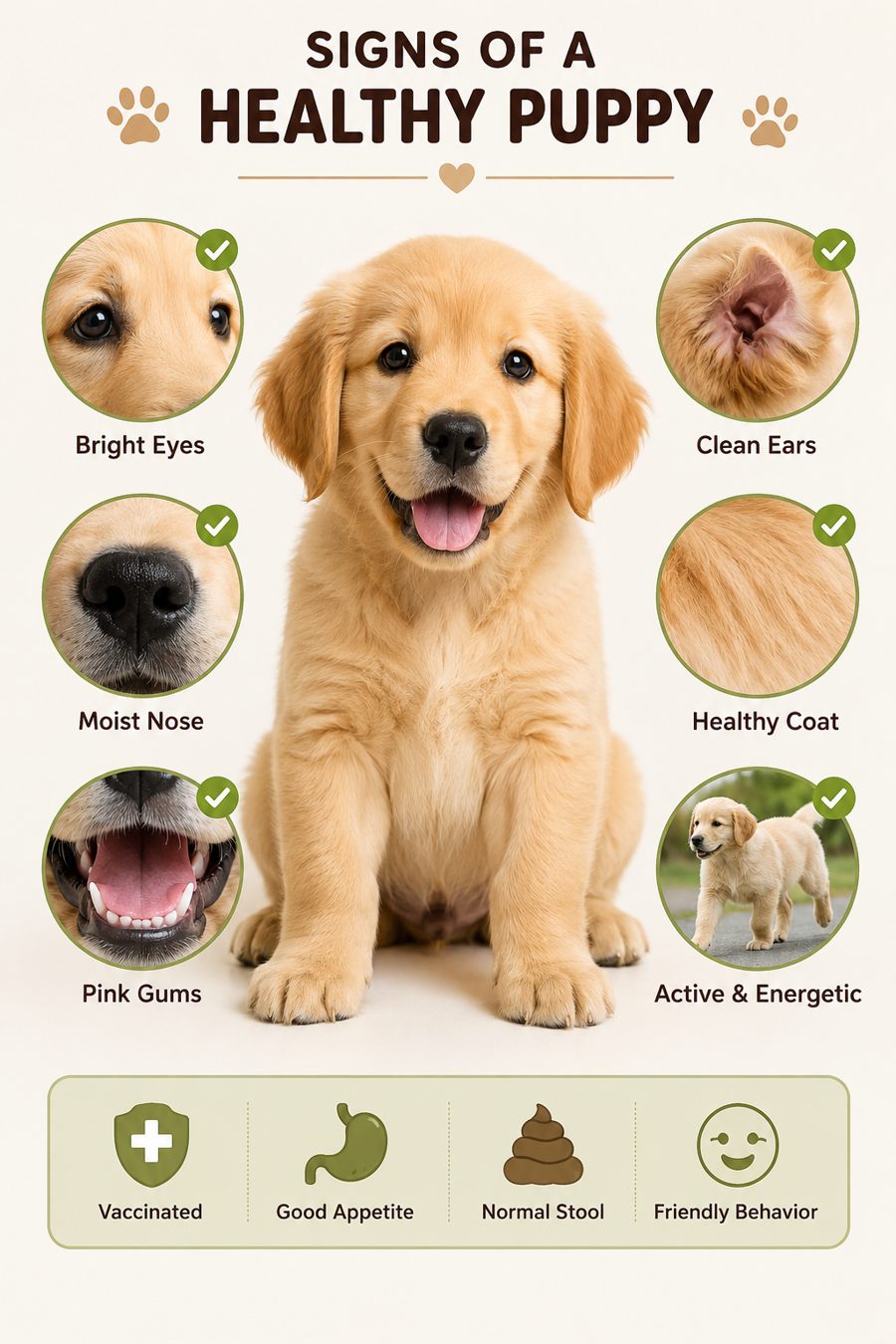
Signs of a Healthy Puppy Before Purchase in IndiaBuying a puppy is an emotional decision for many Indian families. Whether you want a companion for your apartment, farmhouse, or children, choosing a healthy puppy is the most important step. A cute face alone does not guarantee good health. Many buyers later face problems like infections, weakness, skin diseases, or expensive medical treatments because they did not check the puppy properly before purchase.Why Checking Puppy Health is ImportantA healthy puppy:Lives longerRequires fewer medical expensesLearns faster during trainingHas better immunityBecomes active and friendly with family membersAn unhealthy puppy may suffer from:ParvovirusTick feverSkin infectionsWorm infestationWeak bonesDigestive issuesIn India, especially during summer and monsoon seasons, puppies are more vulnerable to infections if breeders do not maintain hygiene properly.1. Puppy Should Be Active and EnergeticOne of the biggest signs of a healthy puppy is activity level.Healthy puppies usually:Run around activelyShow curiosityPlay with siblingsRespond when calledWag their tail happilyAvoid puppies that:Sit quietly in cornersSleep excessivelyShow weakness while walkingHave difficulty standingSome puppies may feel sleepy after meals, but overall they should appear energetic.2. Eyes Should Be Bright and CleanCheck the puppy’s eyes carefully.Healthy puppy eyes:Are shiny and brightHave no excessive tearsDo not contain yellow or green dischargeOpen properly without swellingWarning signs:Red eyesSticky dischargeCloudinessHalf-closed eyesEye infections are common in poorly maintained breeding environments.3. Nose Should Be Slightly MoistA healthy puppy usually has:A cool or slightly moist noseNo thick mucusNo breathing difficultyDo not panic if the nose becomes dry temporarily during sleep.Avoid puppies with:Constant nasal dischargeSneezing repeatedlyBlocked breathing soundsThese may indicate respiratory infection.4. Ears Should Be Clean and Odor-FreeLift the puppy’s ears gently.Healthy ears:Look clean insideHave light pink skinNo bad smellNo excessive scratchingDanger signs:Black wax buildupStrong smellRednessFrequent head shakingThese symptoms may indicate ear mites or infection.5. Coat and Skin Should Look HealthyA healthy puppy’s coat should:Feel soft and smoothHave natural shineBe free from bald patchesCheck for:FleasTicksRashesScabsExcessive dandruffIn India, tick infestations are very common, especially in outdoor breeding setups.6. Gums and Teeth Should Be PinkHealthy gums indicate good blood circulation and nutrition.Check that:Gums are pinkMouth has no foul smellTeeth are clean for ageAvoid puppies with:Pale gumsBleeding gumsWhite patchesStrong mouth odor7. Puppy Should Walk ProperlyObserve the puppy walking and running.Healthy movement means:Balanced walkingNo limpingStrong legsProper coordinationAvoid puppies that:Drag legsStruggle to standHave swollen jointsThis is especially important in large breeds like:German ShepherdLabrador RetrieverGolden Retriever8. Check Vaccination and Deworming RecordsAlways ask for:Vaccination cardDeworming detailsDate of birthA responsible breeder will maintain proper records.Important puppy vaccines in India include:ParvovirusDistemperRabiesNever buy a puppy without medical records.9. Puppy’s Stool Should Be NormalAsk the breeder about digestion and observe the area cleanliness.Healthy puppies usually have:Semi-solid stoolRegular eating habitsNo vomitingWarning signs:Loose motionsBlood in stoolWorms visibleSwollen stomachDigestive issues are one of the biggest early signs of poor puppy health.10. Puppy Should Be Friendly and SocialA healthy puppy is usually:Curious around humansComfortable with touchNot extremely fearfulAggressive or extremely scared behavior may indicate:Poor socializationTraumaHealth issuesQuestions You Must Ask the BreederBefore purchasing, ask:What food is the puppy eating?Has the puppy been vaccinated?Has deworming been completed?Are the puppy’s parents healthy?Can I see the mother dog?Has the puppy visited a vet?Good breeders answer confidently and transparently.Avoid These Common Mistakes in IndiaBuying Only Based on Cheap PriceVery low-cost puppies often come from poor breeding conditions.Purchasing Too EarlyPuppies should stay with their mother for at least:45 to 60 daysBuying From Unhygienic PlacesDirty surroundings increase disease risk dramatically.Ignoring Breed SuitabilityChoose breeds according to:ClimateApartment sizeMaintenance budgetFamily lifestyleFor Indian apartments, many families prefer:PugShih TzuBeagle
 Article
Get Your Pet’s Paperwork in PlaceEnsure all documents are organized and verified:Breed detailsFamily historyOwnership recordsLegal adoption/fostering papersThis information helps you understand your pet’s genetic background and assists your veterinarian in providing better care.Choose the Right Veterinary ClinicSelect a vet clinic that:Is close to your homeHas qualified and updated professionalsOffers emergency facilitiesMaintains modern medical infrastructureYour vet should be someone you trust completely. A good relationship between you, your pet, and your vet ensures better long-term health management.Find a Professional GroomerConsult your vet or connect with reputable pet care services for a “Groomer on Call.”Avoid trimming nails or performing grooming tasks yourself unless properly trained. Always use high-quality, safe grooming products and tools.Regular Check-ups, Vaccinations & DewormingStay consistent with:Vaccination schedulesDewormingRoutine health check-upsImmunity supplementsDiscuss spaying/neutering and microchipping with your vet. Preventive care helps detect illnesses early and saves future medical costs.Maintain Updated RecordsKeep both hard and soft copies of:Vaccination recordsMedical historyDeworming schedulesGrowth chartsTrack milestones and maintain a supplement schedule chart to stay organized.Pet-Proof Your Home & CarMake your home safe by:Securing electrical wiresAvoiding sharp furniture edgesUsing pet-safe cleaning productsRemoving toxic plantsInstalling strong fencingWhile traveling:Carry water, treats, food bowl, and a seat rugNever leave your pet locked inside a carSafety always comes first.Prepare Your FamilyBefore bringing your pet home:Talk openly with all family membersTeach children how to behave around petsHelp seniors understand pet behaviorConsider fostering first for experienceA supportive home ensures emotional stability for your pet.Stock Up on Pet SuppliesEssentials include:Food (dry & wet)TreatsToysBed & blanketsCollar, harness & leashFood & water bowlsGrooming suppliesPoop bags & diapersAlso prepare a first-aid kit with:ThermometerAntiseptic solutionGauze & cottonWound sprayParasite treatmentsSupplementsJoin a Pet CommunityBe part of online or local pet groups:Learn from experienced pet parentsShare pictures and experiencesAsk questions and gain insightsCommunity support is invaluable.Subscribe to Pet Magazines & NewslettersPet journals offer:Training tipsHealth guidanceHomemade remediesBehavior adviceContinuous learning makes you a better pet parent.Connect with Nearby Pet ParentsSocialization is important. Build a network of trusted pet parents nearby for:PlaydatesEmergency supportBackup care when neededInvest in Pet HealthcareChoose quality healthcare brands offering:Natural and chemical-free productsSustainable solutionsNutritionally balanced foodConsider annual healthcare plans after consulting your vet. Proper nutrition is non-negotiable.Build a Pet Care Support SystemFind reliable:Pet sittersDog walkersTrainersBoarding facilitiesEnsure they are compassionate, trained, and prepared for emergencies.Get Pet InsurancePet insurance helps cover:Unexpected illnessesSurgeriesHospitalization costsIt provides peace of mind and financial protection.Create a “Love My Pet” FundSet aside savings for:EmergenciesTravelFinancial uncertaintiesLong-term care planningSome pet parents even include their pets in their wills to ensure lifetime care.
 Article
If you’re a dog parent in India, you’ve probably heard terms like pet registration, vaccination certificate, or KCI papers… but honestly, most people have no idea how to actually get them. And when you suddenly need a dog certificate for travel, apartment approval, or vet checkups, it gets kinda confusing.Don’t worry - here’s the easiest break down, written in simple human words (and yes, maybe with a few spelling slips).Why Your Dog Needs a Certificate in IndiaDog certificates in India are usually needed for: Pet registration with local municipal corporation Vaccination proof (mostly Rabies mandatory) Microchip documentation for flights Pet passport / No Objection Certificate (NOC) KCI breed certificate Pet-friendly housing societies Therapy dog / ESA letter These documents also help if your dog ever gets lost or needs to travel.Types of Dog Certificates Available in India1. Vaccination Certificate (Most Important)Issued by a registered veterinarian. Includes vaccines like: Rabies DHPPi Lepto Anti-rabies booster This certificate is often mandatory for travel and registration.2. Dog Registration Certificate (Municipal License)Most Indian cities now legally require dog licensing, for example: BBMP (Bengaluru) PMC (Pune) BMC (Mumbai) NDMC / MCD (Delhi) You can usually get it through: Official city corporation websites Veterinary hospitals authorised by the city Offline ward offices Licensing fees are low, usually between ₹100–₹750.3. Pet Microchip CertificateIndia is making microchipping more common, especially for: Travel Registration Import/export Lost-and-found identification Your vet will implant the chip and give you a certificate.4. KCI Certificate (Pedigree Certificate)If your dog is purebred, you can apply for a Kennel Club of India (KCI) pedigree certificate.This proves: Dog breed authenticity Parent lineage Breeder legitimacy You apply through: Registered breeders KCI website Dog shows / events 5. Training or Obedience CertificateIssued by certified trainers or training schools in India.Useful for: Housing societies that require “trained dog” proof Behavioural issues Service/therapy dog applications 6. Pet Travel Certificate / NOCRequired for: Domestic flights International travel You’ll need to visit: Animal Quarantine & Certification Services (AQCS) office (Locations: Delhi, Mumbai, Chennai, Bengaluru, Kolkata) Documents needed: Vaccination record Microchip Health certificate Owner ID 7. Emotional Support Animal (ESA) LetterIn India, ESA dogs are still not legally standardised, but: A licensed psychologist / psychiatrist can issue a letter Helps with airlines, rentals, or support needs Beware of fake online ESA certificates. They are not accepted.How to Get a Dog Certificate in India Step by Step Figure out which certificate you need Travel? Housing? KCI? Vaccination? Visit the correct authority Vet → Vaccines / microchip Municipality → Dog license KCI → Pedigree AQCS → Travel NOC Keep these documents handy Dog’s age & photo Microchip number Owner Aadhaar ID Vaccination records Passport (for travel abroad) Submit your form & pay small fee Fees vary by city and purpose. Receive certificate Some are instant; others take a few days. Approx Cost of Dog Certificates in India Certificate Type Cost (Approx) Vaccination certificate Included in vet fee (₹500–₹1,500 per visit) Dog registration license ₹100–₹750 yearly Microchip ₹1,000–₹2,000 KCI certificate ₹1,000–₹2,500 Training certificate ₹3,000–₹12,000 (course-based) ESA letter ₹1,000–₹5,000 Travel NOC ₹500–₹1,000 Common Mistakes Indian Pet Parents Make Not updating the rabies vaccine yearly Buying puppies from breeders who dont give KCI papers Forgetting to license their dog in required cities Using fake online “service dog” certificates Waiting till last minute for travel documents (AQCS can get crowded) Helpful Tips for Indian Dog Owners Always microchip before traveling Keep all records in a Google Drive folder Use only official government portals If your breeder doesn’t give KCI papers, ask before purchase Never rely on instant online dog certificates—they don’t work in India Useful External Links KCI Registration: https://kennelclubofindia.org AQCS Pet Travel Guidelines: https://aqcsindia.gov.in Final Thoughts Getting Your Dog Certificate in India isn’t hardAs long as you know which certificate you need and where to get it, the whole process becomes simple. Your dog’s documents are just as important as yours - especially for travel, health safety, and legal clarity.Take a little time now, and it will save you lot of headache later 😊
 Article
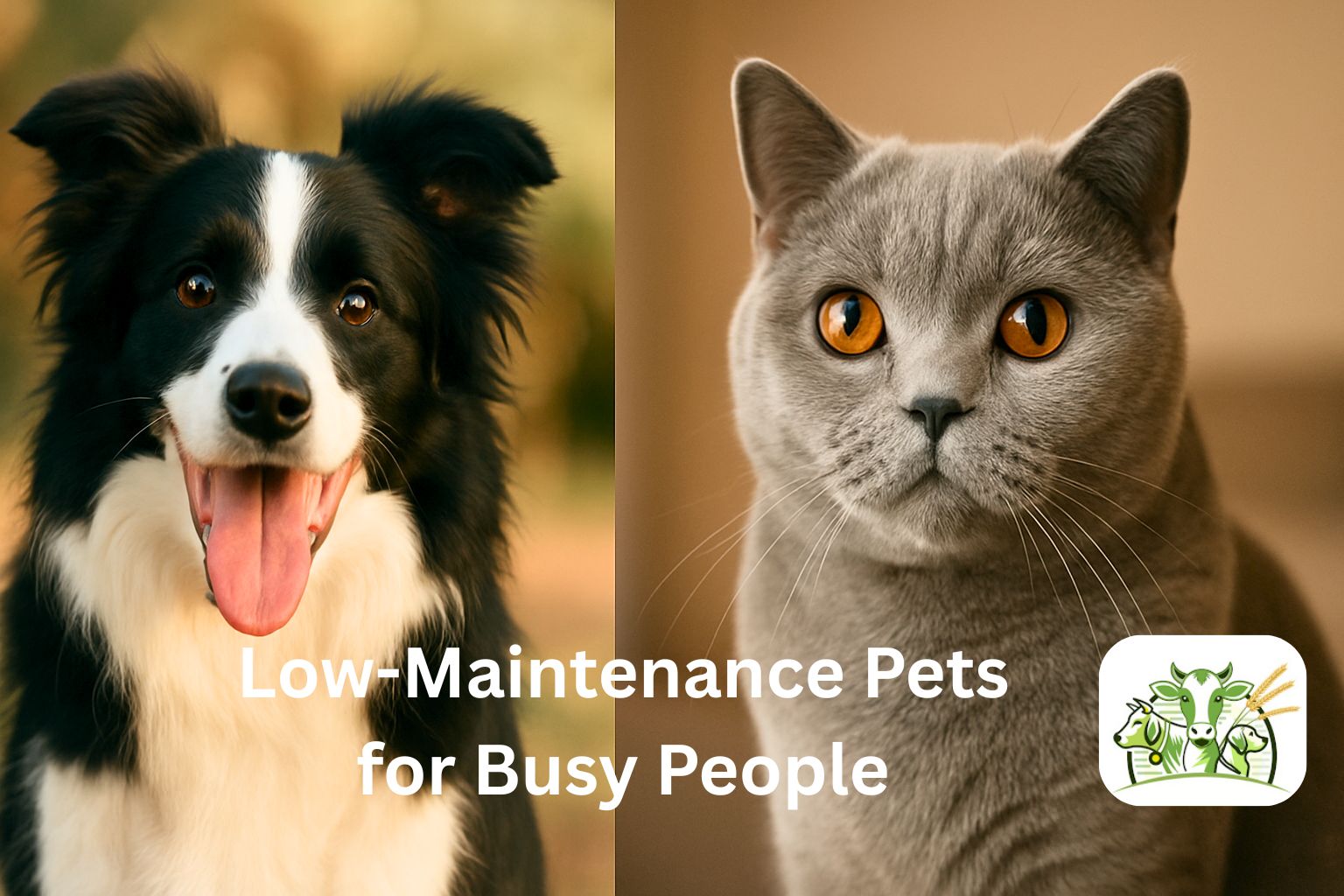
In today’s fast-paced world, many people crave the comfort and companionship of a pet—but don’t have the time or energy to care for one that demands constant attention. Fortunately, there are a variety of low-maintenance pets that can fit seamlessly into a busy lifestyle while still bringing joy and companionship. Here's a guide to some of the best options and what makes them ideal for people with packed schedules.1. Fish (Betta or Goldfish)🐟 Why They're Great: Quiet, calming, and beautiful to watch. Low daily interaction required. Simple feeding schedule (once or twice a day). ⚠️ What to Know: Requires a clean, adequately sized tank. Betta fish can be kept alone and don’t need filters if water is changed regularly. Overfeeding is a common mistake—be careful! 2. Cats🐱 Why They're Great: Independent and often litter-trained. Don't require daily walks. Can entertain themselves while you're out. ⚠️ What to Know: Need clean litter and regular feeding. Some breeds (like British Shorthairs or Russian Blues) are more low-key than others. 3. Small Rodents (Hamsters, Gerbils, Mice)🐹 Why They're Great: Small space requirements. Easy to feed and clean up after. Fun to watch and relatively inexpensive. ⚠️ What to Know: Nocturnal—may be active at night. Cages should be cleaned weekly. 4. Reptiles (Leopard Geckos, Bearded Dragons)🦎 Why They're Great: Don’t need daily interaction. Eat less frequently (every 2–3 days). Don’t shed dander—good for allergy sufferers. ⚠️ What to Know: Need proper heating and lighting. Handling should be occasional and gentle. 5. Birds (Canaries, Finches, Budgies)🐦 Why They're Great: Entertaining, vocal, and colorful. Smaller species are easier to care for. Don’t require walks or grooming. ⚠️ What to Know: Need mental stimulation and clean cages. Some birds are social and need interaction. 6. Sea Monkeys or Triops🌊 Why They're Great: Ultra-low maintenance novelty pets. Great for children or desk pets. Fascinating life cycle to observe. ⚠️ What to Know: Short lifespan. Require occasional feeding and clean water. 7. Turtles (Smaller Species like Musk Turtles)🐢 Why They're Great: Long lifespan and low interaction needs. Feed every couple of days. Enjoy both aquatic and land environments. ⚠️ What to Know: Need a proper tank with UV lighting. Can carry salmonella—wash hands after handling. Tips for Busy Pet Owners: Automate care where possible: Use timed feeders, water dispensers, and self-cleaning litter boxes. Keep a schedule: Set calendar reminders for feeding, cleaning, and vet visits. Choose wisely: Match your lifestyle to the pet’s needs, not just appearance or trendiness. Final ThoughtsLow-maintenance doesn’t mean no maintenance—every pet requires care, love, and attention. But with the right choice, even the busiest person can enjoy the rewards of pet ownership without feeling overwhelmed. Whether you’re a cat-loving minimalist or fascinated by quiet aquariums, there’s a low-maintenance pet perfect for you.