


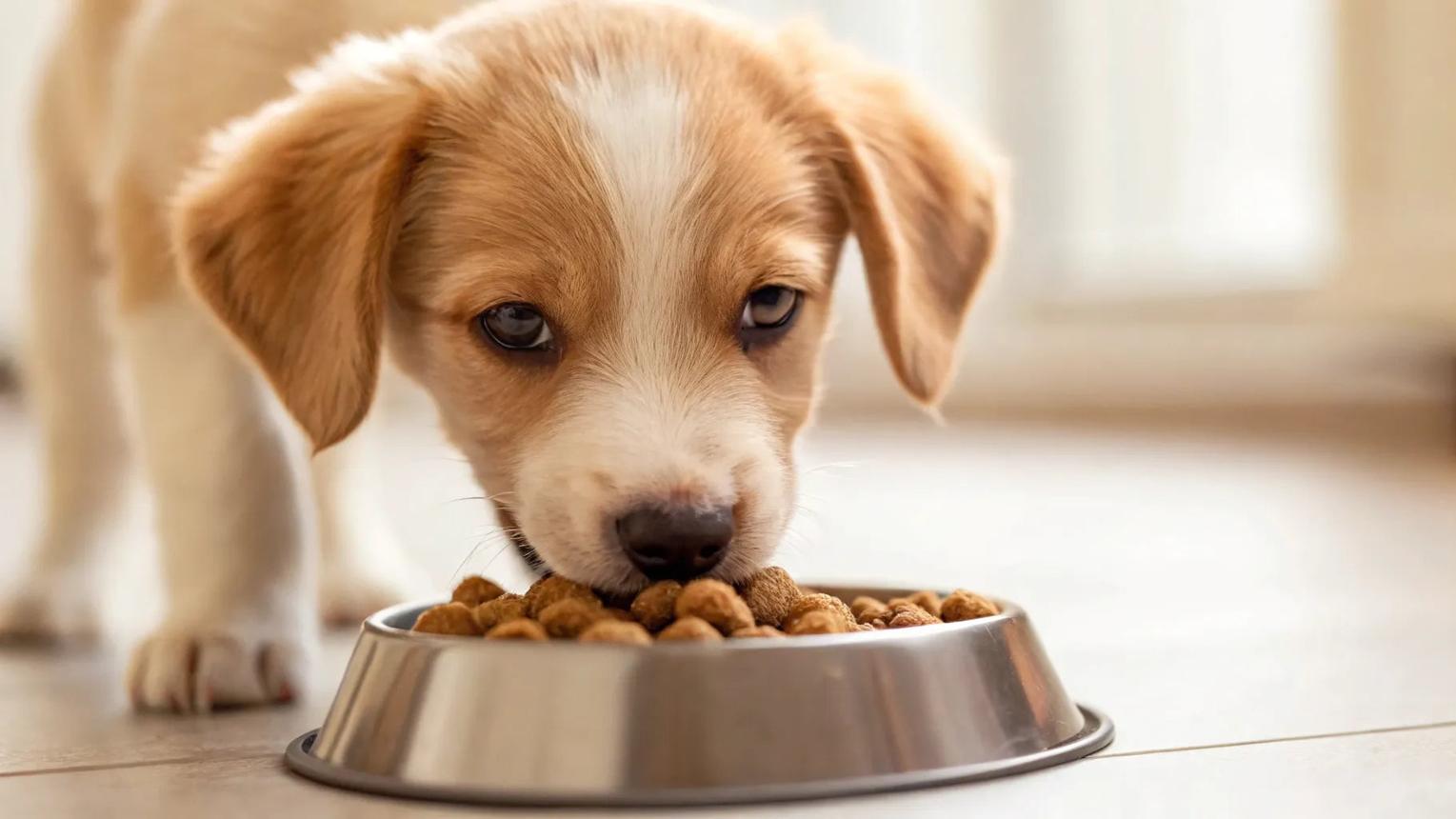
Beginner’s Guide to Dog Food: What Every New Dog Parent Should Know
<h1>Beginner’s Guide to Dog Food: What Every New Dog Parent Should Know</h1><p>Bringing a dog home is exciting. Whether it’s a playful puppy or a rescued adult dog, one question hits every beginner quickly:</p><p><strong>“What should I feed my dog?”</strong></p><p>Walk into any pet store or open any online shopping app, and suddenly you’ll see hundreds of options puppy food, adult food, grain-free food, dry food, wet food, breed-specific food, homemade diets, supplements, treats, and more.</p><p>It can feel confusing at first.</p><p>The good news? Feeding your dog properly doesn’t need to be complicated. Once you understand the basics, choosing the right food becomes much easier.</p><h1>Why Dog Food Matters More Than People Think</h1><p>Food is not just about filling your dog’s stomach.</p><p>A good diet affects:</p><ul><li><p>Energy levels</p></li><li><p>Growth and body development</p></li><li><p>Skin and coat quality</p></li><li><p>Digestion</p></li><li><p>Immunity</p></li><li><p>Bone strength</p></li><li><p>Lifespan</p></li></ul><p>Poor-quality food can lead to issues like obesity, weak bones, dull fur, stomach problems, allergies, and low energy.</p><p>Just like humans feel better with healthy meals, dogs also thrive when they eat balanced nutrition.</p><h1>Understanding the Main Types of Dog Food</h1><h2>1. Dry Food (Kibble)</h2><p>This is the most common dog food used by pet owners.</p><p><span style="color: rgb(55, 73, 72); font-family: Questrial, sans-serif; font-size: 1.953em; font-weight: 600;">Advantages:</span></p><ul><li><p>Easy to store</p></li><li><p>Budget-friendly</p></li><li><p>Helps reduce plaque on teeth</p></li><li><p>Convenient for daily feeding</p></li></ul><h3>Disadvantages:</h3><ul><li><p>Some low-quality brands use fillers</p></li><li><p>Dogs may drink more water because kibble is dry</p></li></ul><p>Dry food is usually the best starting option for beginners because it’s simple and balanced.</p><h2>2. Wet Food</h2><h2><span style="color: rgb(0, 0, 0); font-family: sans-serif; font-size: 14px; font-weight: 400;">Wet food contains more moisture and often smells more attractive to dogs.</span></h2><h3>Advantages:</h3><ul><li><p>Easier to chew</p></li><li><p>Good for picky eaters</p></li><li><p>Helpful for hydration</p></li></ul><h3>Disadvantages:</h3><ul><li><p>More expensive</p></li><li><p>Spoils faster after opening</p></li></ul><p>Many owners mix wet food with kibble for better taste.</p><h2>3. Homemade Food</h2><h2><span style="color: rgb(0, 0, 0); font-family: sans-serif; font-size: 14px; font-weight: 400;">Some people prefer cooking meals for their dogs at home.</span></h2><p>Common ingredients include:</p><ul><li><p>Rice</p></li><li><p>Chicken</p></li><li><p>Eggs</p></li><li><p>Pumpkin</p></li><li><p>Carrots</p></li><li><p>Curd</p></li></ul><h3>Important:</h3><p>Homemade food must be balanced properly. Feeding only rice or only chicken daily can create nutritional deficiencies.</p><p>If you choose homemade food long-term, consult a vet for proper nutrition planning.</p><h1>Puppy Food vs Adult Dog Food</h1><p>This is one of the biggest mistakes beginners make.</p><p>Puppies and adult dogs have different nutritional needs.</p><h3>Puppy Food</h3><ul><li><p>Higher protein</p></li><li><p>More calories</p></li><li><p>Supports growth and brain development</p></li></ul><h3>Adult Food</h3><ul><li><p>Balanced for maintenance</p></li><li><p>Prevents excessive weight gain</p></li></ul><p>Never feed adult food regularly to young puppies.</p><h1>How Much Should You Feed Your Dog?</h1><p>Overfeeding is extremely common.</p><p>A healthy dog is not supposed to look overweight.</p><p>The right amount depends on:</p><ul><li><p>Age</p></li><li><p>Breed</p></li><li><p>Activity level</p></li><li><p>Weight</p></li><li><p>Food type</p></li></ul><h3>General Rule:</h3><ul><li><p>Puppies eat more frequently</p></li><li><p>Adult dogs usually eat twice daily</p></li></ul><p>Always check feeding guidelines on the food packet, but adjust based on your dog’s body condition.</p><h1>Foods Dogs Should NEVER Eat</h1><p>Some human foods are dangerous for dogs.</p><h2>Avoid:</h2><ul><li><p>Chocolate</p></li><li><p>Grapes and raisins</p></li><li><p>Onions</p></li><li><p>Garlic</p></li><li><p>Alcohol</p></li><li><p>Caffeine</p></li><li><p>Cooked bones</p></li><li><p>Excess spicy food</p></li><li><p>Xylitol (found in some sweets)</p></li></ul><p>Even small amounts can sometimes become serious.</p><h1>Signs Your Dog Is Eating the Right Food</h1><p>A healthy diet usually shows visible results.</p><h2>Good signs include:</h2><ul><li><p>Shiny coat</p></li><li><p>Healthy weight</p></li><li><p>Good energy</p></li><li><p>Normal stools</p></li><li><p>Clear eyes</p></li><li><p>Healthy appetite</p></li></ul><p>If your dog constantly scratches, has loose motions, vomiting, or low energy, the diet may need adjustment.</p><h1>How to Change Dog Food Safely</h1><p>Never switch food suddenly.</p><p>Sudden changes can upset digestion.</p><h2>Best Method:</h2><p>Mix old and new food gradually for 7 days.</p><h3>Example:</h3><ul><li><p>Day 1–2: 75% old food + 25% new food</p></li><li><p>Day 3–4: 50% old + 50% new</p></li><li><p>Day 5–6: 25% old + 75% new</p></li><li><p>Day 7: 100% new food</p></li></ul><p>This helps the stomach adapt comfortably.</p><h1>Budget-Friendly Feeding Tips for Beginners</h1><p>You don’t always need the most expensive food.</p><p>Instead, focus on:</p><ul><li><p>Trusted brands</p></li><li><p>Balanced nutrition</p></li><li><p>Clean ingredients</p></li><li><p>Fresh water availability</p></li></ul><p>Simple healthy feeding habits matter more than fancy packaging.</p>