


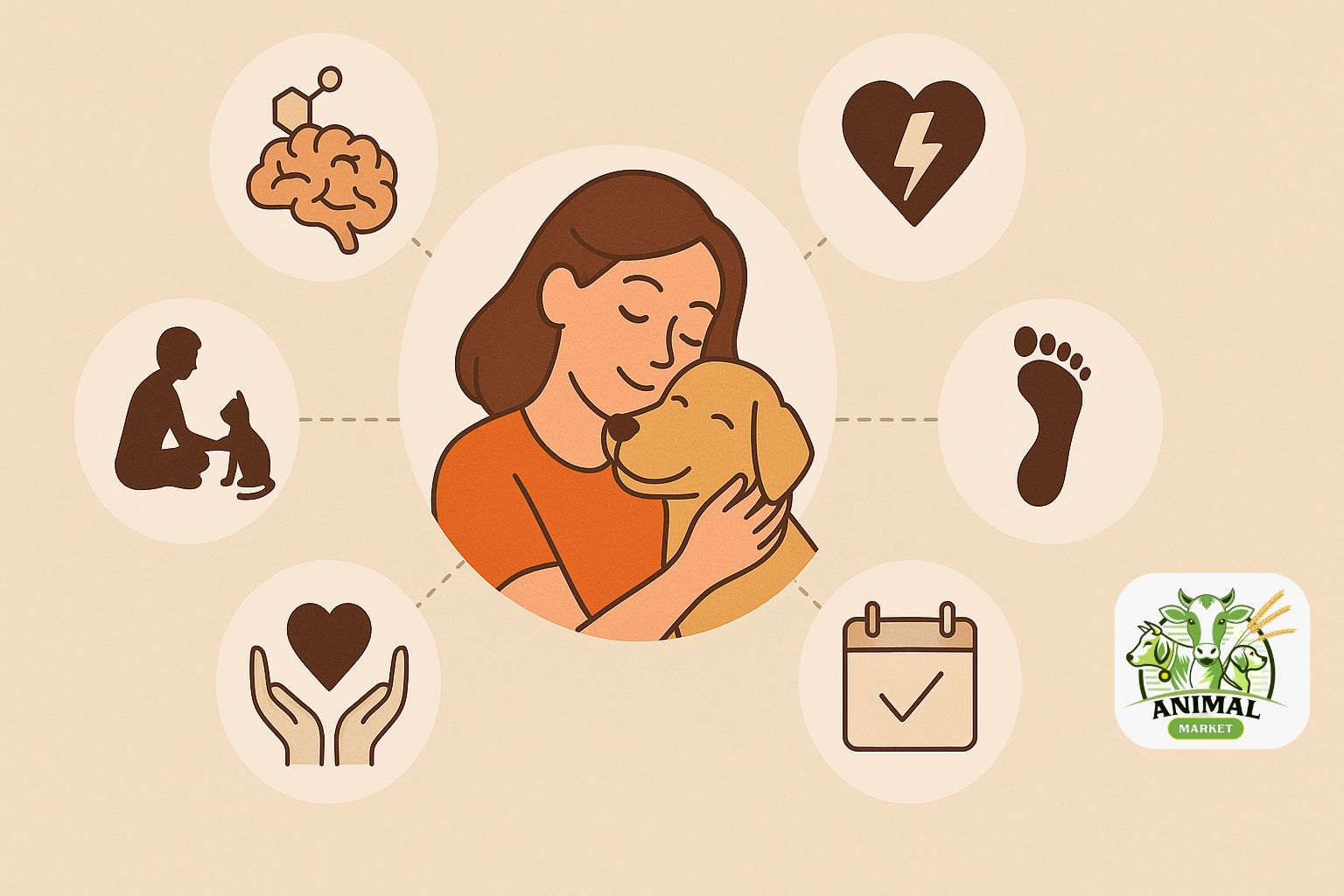
The Science Behind Why Pets Make Us Happier
<p><br></p><p>Pets are more than just furry companions — they’re powerful mood boosters and emotional healers. Whether you're a dog lover, cat person, or reptile enthusiast, spending time with a pet can significantly enhance your mental and emotional well-being. But what exactly is happening in our brains and bodies when we interact with animals? Let’s explore the science behind why pets make us happier.</p><h2>1. <strong>Oxytocin: The “Love Hormone” Boost</strong></h2><p>When you cuddle your pet, gaze into their eyes, or even just think lovingly about them, your brain releases <strong>oxytocin</strong> — a hormone associated with bonding and affection. Oxytocin helps reduce stress, lower blood pressure, and create feelings of trust and happiness. Studies show that both humans and dogs experience increased oxytocin levels when interacting with each other, strengthening the human-animal bond.</p><h2>2. <strong>Reduction in Stress and Anxiety</strong></h2><p>Numerous studies confirm that interacting with pets can lower levels of <strong>cortisol</strong>, the body’s main stress hormone. Petting a dog or cat for just 10 minutes has been shown to significantly reduce anxiety and increase calmness. In therapy settings, animals are used to support people with PTSD, autism, and depression because of their calming presence.</p><h2>3. <strong>Increased Physical Activity</strong></h2><p>Owning a pet, especially a dog, often means more time spent outdoors walking or playing. This physical activity increases endorphin production — chemicals in the brain that act as natural mood lifters. Even gentle movement, like playing with a cat or cleaning a fish tank, can be beneficial to both physical and mental health.</p><h2>4. <strong>Social Connection and Reduced Loneliness</strong></h2><p>Pets can help ease loneliness by offering companionship and unconditional love. Dog owners, in particular, often find themselves connecting with others during walks or at dog parks. According to a 2020 study published in <em>BMC Public Health</em>, pet owners reported stronger feelings of belonging and less loneliness during COVID-19 lockdowns than non-pet owners.</p><h2>5. <strong>Sense of Purpose and Routine</strong></h2><p>Caring for a pet creates a daily structure, which is especially helpful for people experiencing depression or anxiety. Feeding, grooming, and walking pets instills a sense of <strong>responsibility</strong> and <strong>purpose</strong>, helping individuals stay grounded and motivated. This regular routine has been linked to improved mood and life satisfaction.</p><h2>6. <strong>Therapeutic and Emotional Support</strong></h2><p>Animals are increasingly recognized in therapeutic settings. <strong>Emotional Support Animals (ESAs)</strong> and <strong>therapy animals</strong> help individuals cope with various mental health challenges. They are known to ease emotional distress, reduce panic attacks, and even help regulate breathing and heart rate during stressful moments.</p><h2>7. <strong>Unconditional Love and Acceptance</strong></h2><p>Perhaps one of the most powerful aspects of having a pet is the sense of <strong>unconditional love</strong> they provide. Pets don't judge, criticize, or hold grudges. This emotional safety fosters an environment where people can feel seen, accepted, and loved — a vital part of emotional well-being.</p><hr><h3>Final Thoughts</h3><p>The joy of having a pet is backed by science. From hormonal changes to behavioral benefits, our animal companions enrich our lives in countless ways. Whether it’s a wagging tail at the door or a gentle purr on your lap, pets have a profound and measurable impact on our happiness and health.</p><p>So the next time you’re cuddling your furry (or scaly) friend, know that your brain — and heart — are thanking you for it.</p><p><br></p>