


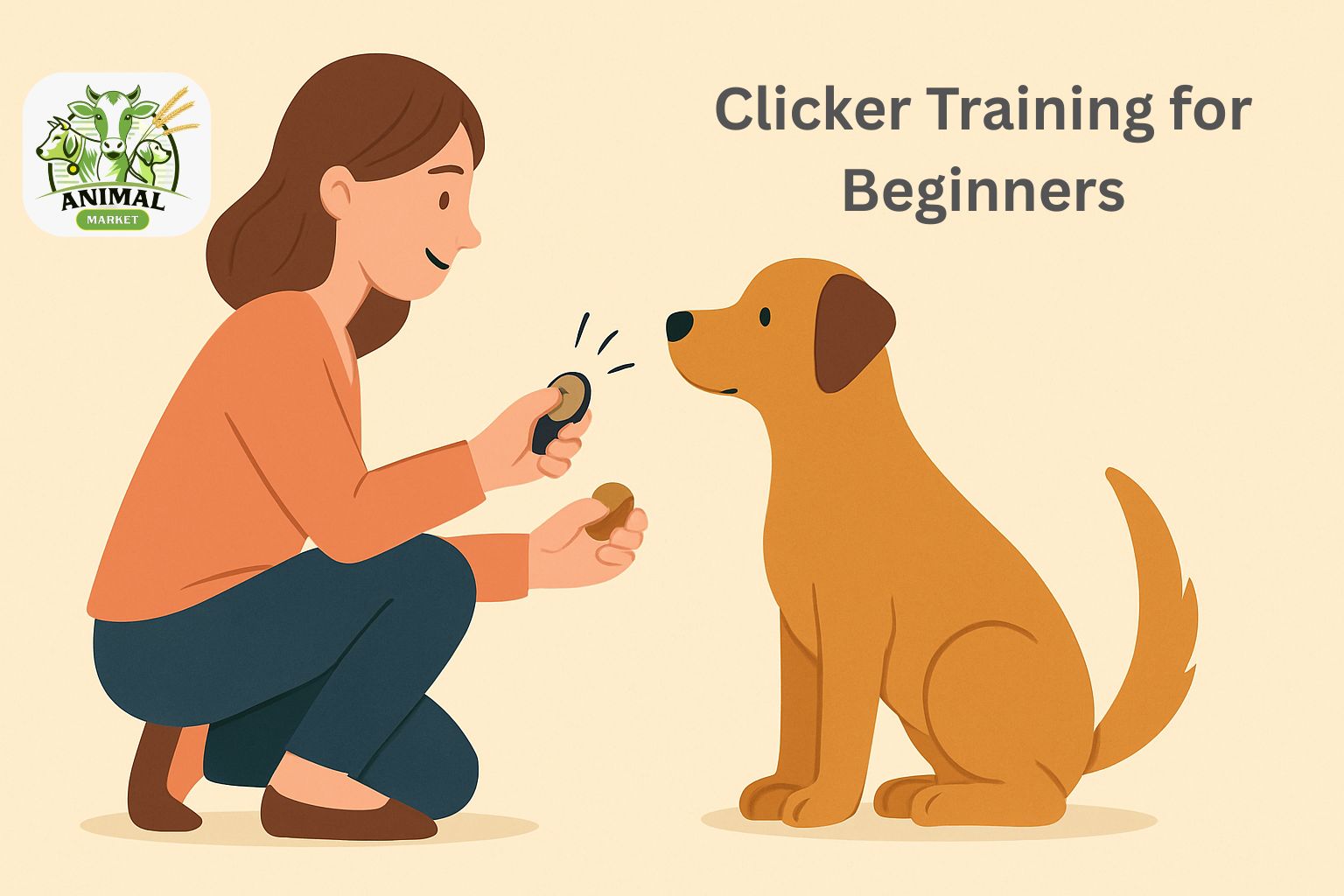
Clicker Training for Beginners: A Simple Guide to Positive Reinforcement
<p><br></p><p>Clicker training is a popular and effective method of teaching animals — especially dogs — new behaviors using positive reinforcement. It's simple, fun, and strengthens the bond between you and your pet. Whether you're working with a puppy, an older dog, or even a cat, clicker training can help create a clear line of communication.</p><h2>What is Clicker Training?</h2><p>Clicker training uses a small handheld device called a <em>clicker</em> that makes a distinct "click" sound when pressed. The click marks the exact moment your pet does something correctly, followed immediately by a reward (usually a treat). Over time, your pet associates the click with doing something right and getting rewarded.</p><h3>Why Use a Clicker?</h3><p>The sound of a click is consistent, precise, and faster than your voice. This helps your pet understand exactly what action earned the reward.</p><h2>Getting Started</h2><h3>1. <strong>Get a Clicker</strong></h3><p>You can find clickers at most pet stores or online. Choose one that's easy to use and comfortable to hold.</p><h3>2. <strong>Charge the Clicker</strong></h3><p>Before you start training, you need to build a connection between the click sound and a reward. This is called <em>charging the clicker</em>.</p><ul>
<li>
<p>Click the device.</p>
</li>
<li>
<p>Immediately give your pet a treat.</p>
</li>
<li>
<p>Repeat 10–15 times in a row.<br>
Your pet will begin to understand that a "click" means a treat is coming.</p>
</li>
</ul><h3>3. <strong>Start Simple</strong></h3><p>Begin with basic behaviors like:</p><ul>
<li>
<p><strong>Sit</strong></p>
</li>
<li>
<p><strong>Touch your hand</strong></p>
</li>
<li>
<p><strong>Eye contact</strong></p>
</li>
</ul><h4>Example: Teaching "Sit"</h4><ol>
<li>
<p>Wait for your dog to sit on their own.</p>
</li>
<li>
<p>The moment their bottom hits the ground — click!</p>
</li>
<li>
<p>Immediately give a treat.</p>
</li>
<li>
<p>Repeat several times.</p>
</li>
</ol><p>Once your dog understands that sitting earns a click and a treat, you can add the verbal cue “sit” just before they do the action.</p><h3>4. <strong>Keep Sessions Short</strong></h3><p>Limit training sessions to 5–10 minutes to avoid overwhelming your pet. Always end on a positive note.</p><h3>5. <strong>Be Consistent</strong></h3><ul>
<li>
<p>Always click at the exact moment of the desired behavior.</p>
</li>
<li>
<p>Always follow the click with a treat — even if you clicked by mistake.</p>
</li>
</ul><h2>Tips for Success</h2><ul>
<li>
<p>Use small, high-value treats your pet loves.</p>
</li>
<li>
<p>Train in a quiet, distraction-free environment at first.</p>
</li>
<li>
<p>Practice regularly — a few minutes a day goes a long way.</p>
</li>
<li>
<p>Stay patient and upbeat. Training should be fun for both of you!</p>
</li>
</ul><h2>Common Mistakes to Avoid</h2><ul>
<li>
<p>Clicking too late or too early.</p>
</li>
<li>
<p>Using the clicker to get attention (it’s a marker, not a command).</p>
</li>
<li>
<p>Fading out the treats too quickly.</p>
</li>
</ul><h2>When to Add Challenges</h2><p>Once your pet reliably responds, you can:</p><ul>
<li>
<p>Add verbal cues.</p>
</li>
<li>
<p>Practice in new environments.</p>
</li>
<li>
<p>Increase difficulty gradually (e.g., duration, distance, distractions).</p>
</li>
</ul><h2>Final Thoughts</h2><p>Clicker training is a powerful tool rooted in science and kindness. With consistency and patience, you’ll be amazed at how quickly your pet learns. Whether you're teaching tricks, obedience, or just good manners, clicker training creates a happy, willing learner — and a confident, connected trainer.</p><p><br></p>
<li>
<p>Click the device.</p>
</li>
<li>
<p>Immediately give your pet a treat.</p>
</li>
<li>
<p>Repeat 10–15 times in a row.<br>
Your pet will begin to understand that a "click" means a treat is coming.</p>
</li>
</ul><h3>3. <strong>Start Simple</strong></h3><p>Begin with basic behaviors like:</p><ul>
<li>
<p><strong>Sit</strong></p>
</li>
<li>
<p><strong>Touch your hand</strong></p>
</li>
<li>
<p><strong>Eye contact</strong></p>
</li>
</ul><h4>Example: Teaching "Sit"</h4><ol>
<li>
<p>Wait for your dog to sit on their own.</p>
</li>
<li>
<p>The moment their bottom hits the ground — click!</p>
</li>
<li>
<p>Immediately give a treat.</p>
</li>
<li>
<p>Repeat several times.</p>
</li>
</ol><p>Once your dog understands that sitting earns a click and a treat, you can add the verbal cue “sit” just before they do the action.</p><h3>4. <strong>Keep Sessions Short</strong></h3><p>Limit training sessions to 5–10 minutes to avoid overwhelming your pet. Always end on a positive note.</p><h3>5. <strong>Be Consistent</strong></h3><ul>
<li>
<p>Always click at the exact moment of the desired behavior.</p>
</li>
<li>
<p>Always follow the click with a treat — even if you clicked by mistake.</p>
</li>
</ul><h2>Tips for Success</h2><ul>
<li>
<p>Use small, high-value treats your pet loves.</p>
</li>
<li>
<p>Train in a quiet, distraction-free environment at first.</p>
</li>
<li>
<p>Practice regularly — a few minutes a day goes a long way.</p>
</li>
<li>
<p>Stay patient and upbeat. Training should be fun for both of you!</p>
</li>
</ul><h2>Common Mistakes to Avoid</h2><ul>
<li>
<p>Clicking too late or too early.</p>
</li>
<li>
<p>Using the clicker to get attention (it’s a marker, not a command).</p>
</li>
<li>
<p>Fading out the treats too quickly.</p>
</li>
</ul><h2>When to Add Challenges</h2><p>Once your pet reliably responds, you can:</p><ul>
<li>
<p>Add verbal cues.</p>
</li>
<li>
<p>Practice in new environments.</p>
</li>
<li>
<p>Increase difficulty gradually (e.g., duration, distance, distractions).</p>
</li>
</ul><h2>Final Thoughts</h2><p>Clicker training is a powerful tool rooted in science and kindness. With consistency and patience, you’ll be amazed at how quickly your pet learns. Whether you're teaching tricks, obedience, or just good manners, clicker training creates a happy, willing learner — and a confident, connected trainer.</p><p><br></p>